
20 Laboratory Apparatus and Their Uses

A contemporary laboratory relies on precision, accuracy, and trustworthy devices. No matter if it’s a school laboratory, research institute, medical college, or industrial testing plant, the proper instruments always add meaning to the experiment. In this manual, we categorize 20 laboratory apparatus and their uses, giving a clear account of what each instrument does and what its significance is. This manual is a great help to newbies, students, and lab experts as it makes the working purpose of each apparatus intelligible in simple, practical language.
1. Microscope

Uses
- Used to observe cells, tissues, and microorganisms.
- Helps in medical diagnosis, biological research, and material analysis.
- Essential for microbiology, pathology, and educational labs.
2. BOD Incubator
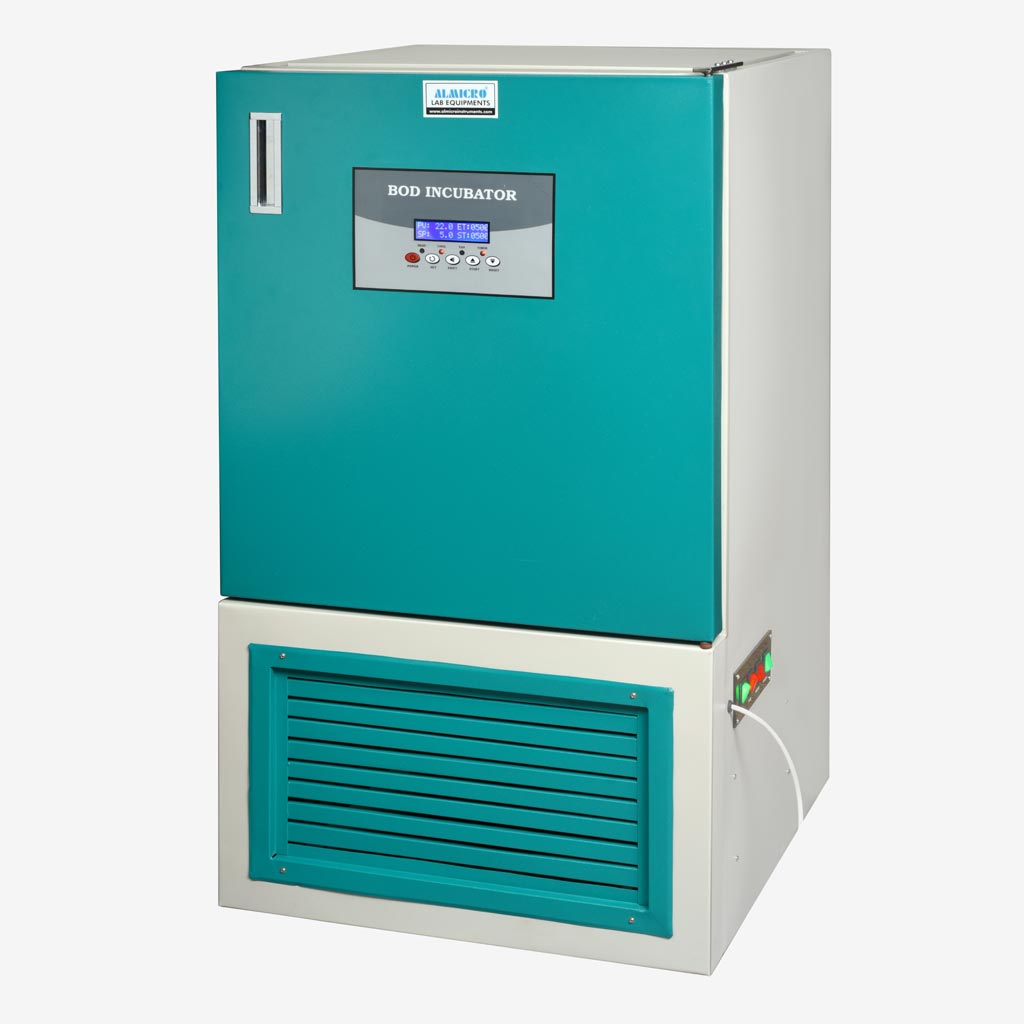
Uses
- Used to study biochemical oxygen demand in water samples.
- Ideal for environmental testing laboratories.
- Helps detect pollution levels and organic contamination.
3. Hot Air Oven

Uses
- Sterilizes glassware and metal instruments using dry heat.
- Dries chemicals, powders, and biological samples.
- Used in microbiology, pharmaceuticals, and material research.
4. Incubators
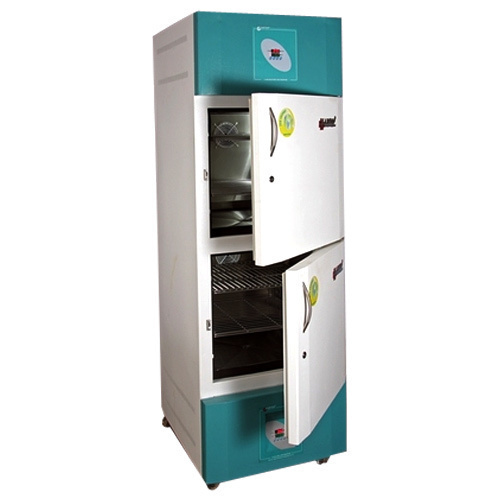
Uses
- Used for microbial culture growth.
- Suitable for tissue culture and cell preservation.
- Maintains controlled temperature for biological research.
5. Muffle Furnace
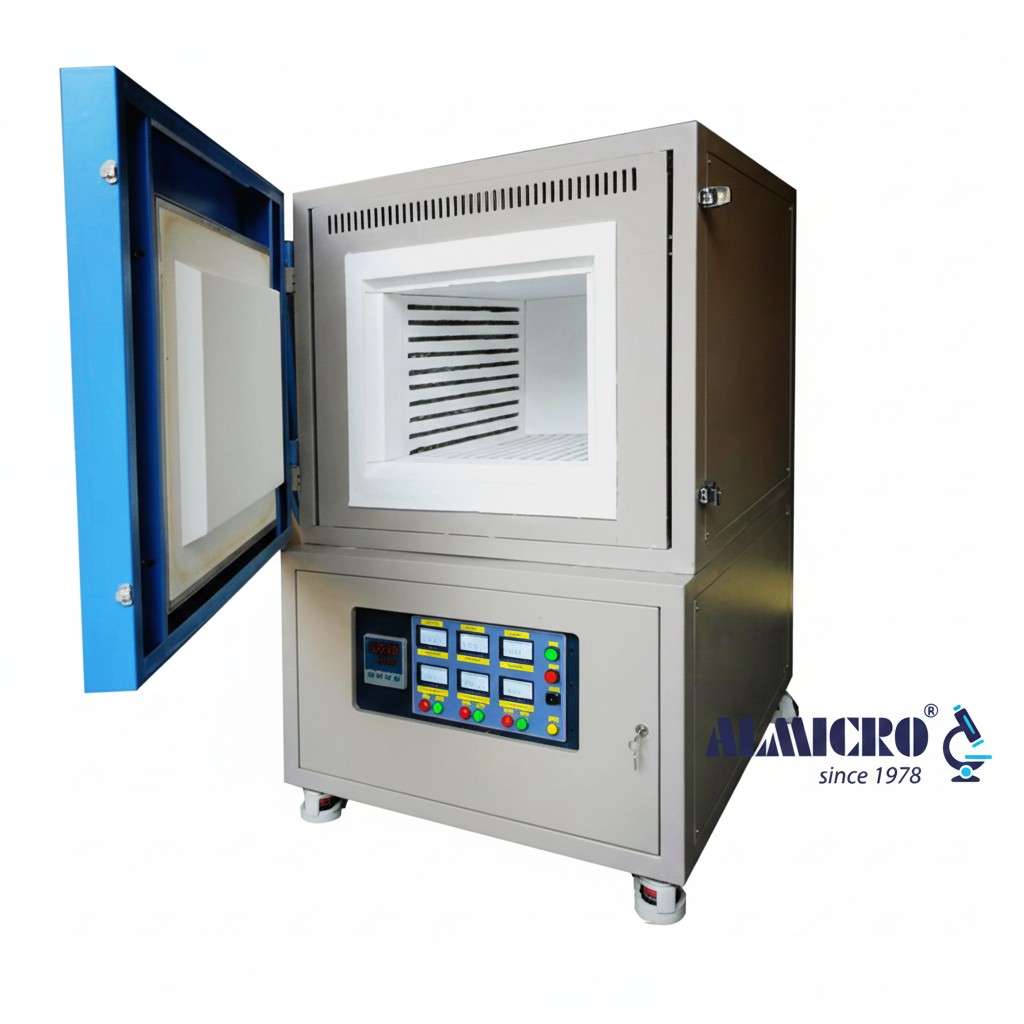
Uses
- Used for ashing and burning samples at high temperature.
- Ideal for gravimetric analysis and material composition study.
- Used in chemical, ceramic, and metallurgy labs.
6. Water Bath (Ultrasonic)
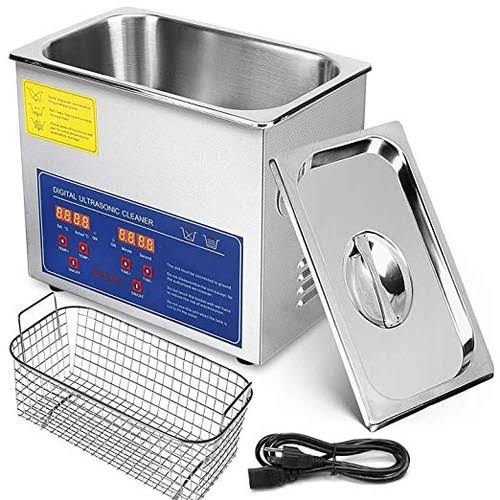
Uses
- Heats samples evenly at a constant temperature.
- Melts substances and warms reagents gently.
- Used in microbiology, biotechnology, and chemical labs.
7. Autoclave
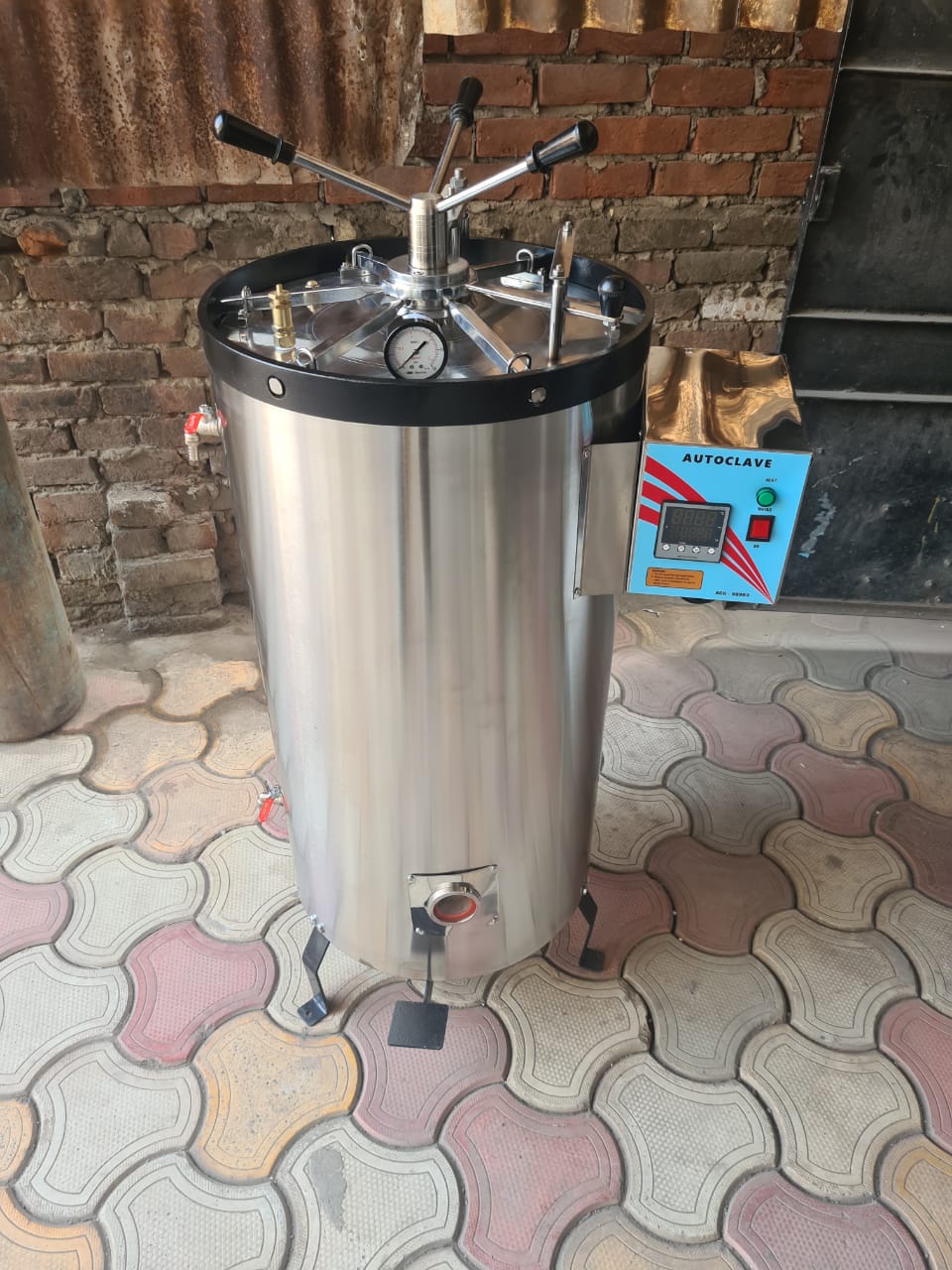
Uses
- Sterilizes lab equipment through high-pressure steam.
- Eliminates bacteria, viruses, fungi, and spores.
- Used in medical, research, and microbiology labs.
8. Laboratory Shakers
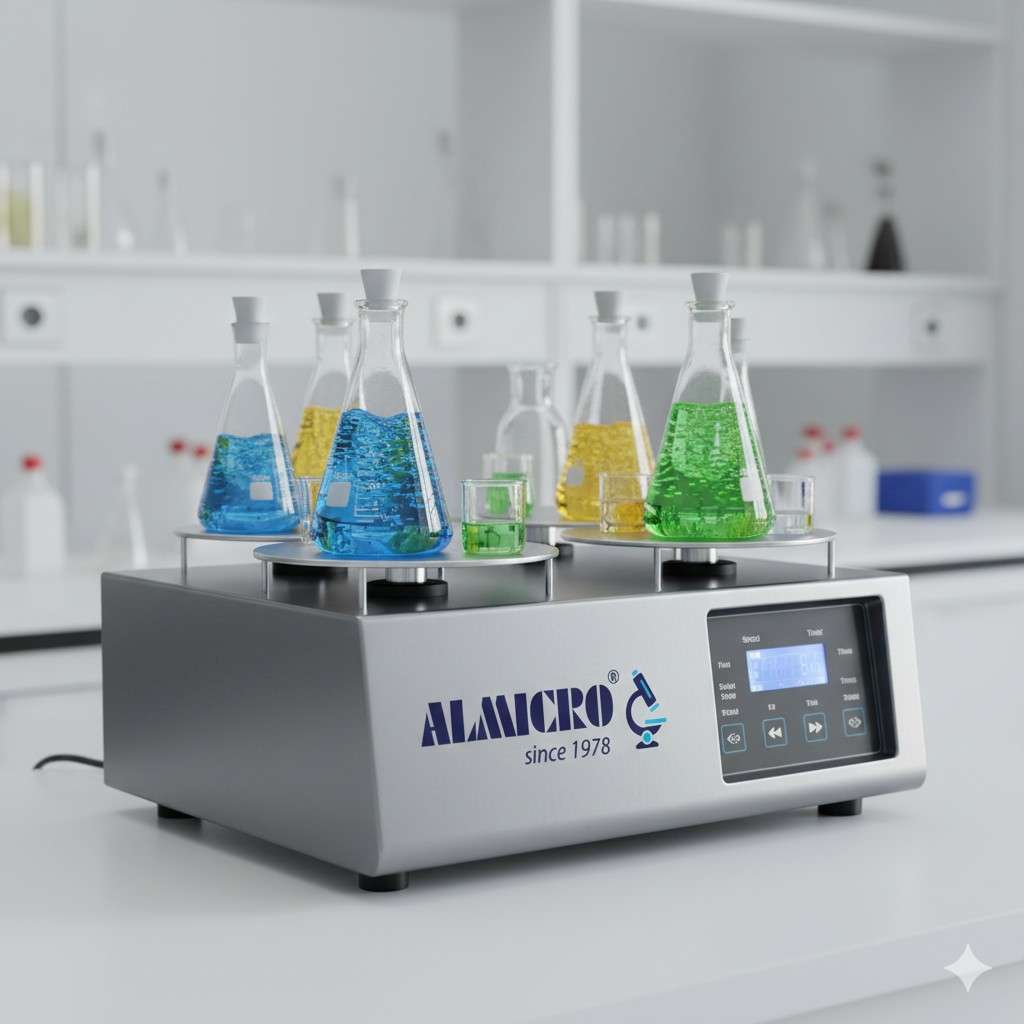
Uses
- Mixes solutions and suspensions uniformly.
- Supports aerobic microbial growth.
- Helps in chemical reactions requiring agitation.
9. Hot Plate
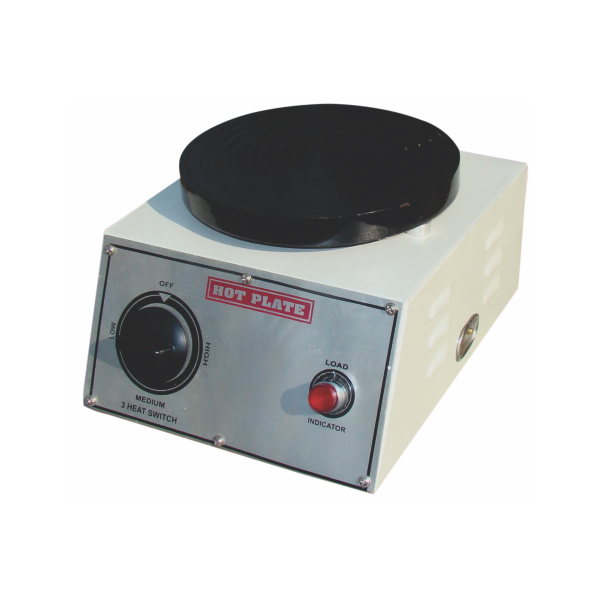
Uses
- Used for boiling, heating, and evaporating liquids.
- Replaces open flame to ensure safety.
- Helps in chemical experiments requiring precise heating.
10. Laminar Air Flow
Uses
-
Provides sterile environment to prevent contamination.
-
Used for media preparation and cell culture.
-
Essential in pharmaceutical and microbiology labs.
11. Bio Safety Cabinet

Uses
- Protects users from infectious biological agents.
- Filters harmful aerosols during experiments.
- Used in pathology, virology, and medical labs.
12. Fume Hood
A fume hood is designed to suck out hazardous fumes, vapors, and chemicals from the work area by means of powerful ventilation. In laboratories when users are dealing with mixing of chemicals, heating of acids or even working with highly volatile substances, the fume hood acts as a protective barrier. Fume hoods are indispensable in places like chemistry labs, industrial R&D centers, and quality-testing facilities for the maintenance of safety during work.
Uses
- Removes harmful fumes and chemical vapors.
- Protects users during acid heating and chemical mixing.
- Must-have equipment in chemistry and R&D labs.
13. Heating Mantle
Uses
- Heats flasks uniformly during distillation and extraction.
- Prevents localized overheating unlike open flames.
- Widely used in organic chemistry labs.
14. Soxhlet Apparatus
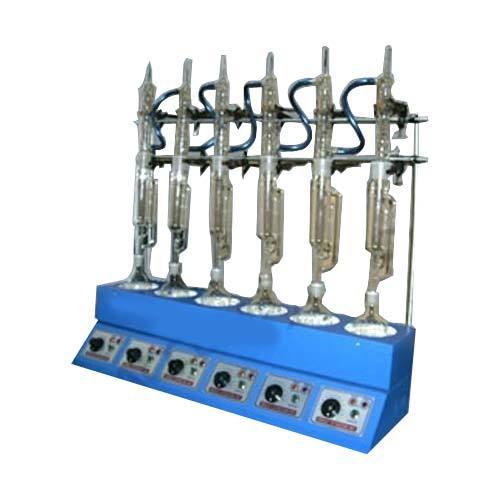
A Soxhlet apparatus extracts soluble compounds from solid materials using repeated solvent washing. It is essential in food, chemical, and pharmaceutical labs for extracting oils, active ingredients, and chemical compounds. Soxhlet extraction provides high-purity results with efficient solvent use.
Uses
- Extracts oils, chemicals, and active compounds.
- Used in food, pharma, and chemical industries.
- Helps purify compounds through continuous solvent reflux.
15. Tray Dryer
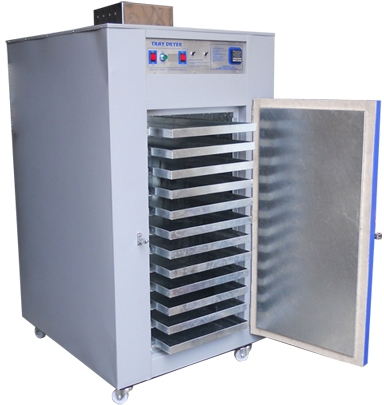
A tray dryer removes moisture from samples, powders, and food items using controlled hot air circulation. It ensures uniform drying across multiple trays. Used in pharmaceutical, chemical, and agricultural industries, tray dryers help prepare ingredients, powders, and samples for further testing or processing.
Uses
- Dries powders, granules, and biological samples.
- Reduces moisture for further testing or production.
- Used in pharmaceuticals, chemicals, and food labs.
16. Analytical Balance

An analytical balance measures very small masses with extreme accuracy. It is essential for weighing chemicals, powders, and reagents used in experiments. Analytical balances ensure precise measurements for formulation, quality control, and quantitative chemical analysis.
Uses
- Measures chemical mass with high precision.
- Used for preparing solutions and reagent mixtures.
- Essential for quantitative analysis in all labs.
17. pH Meter
A pH meter measures the acidity or alkalinity of a solution. It is widely used in water testing, chemical labs, environmental monitoring, and food industries. The meter provides fast and accurate readings, making it essential for experiments requiring controlled pH conditions.
Uses
- Measures acidity or alkalinity of solutions.
- Used in water testing, chemical formulation, and food analysis.
- Helps maintain correct pH for reactions.
18. Centrifuge
Uses
- Separates components based on density.
- Used to isolate plasma, DNA, cells, and sediments.
- Essential in biomedical and molecular biology labs.
19. Spectrophotometer
A spectrophotometer measures how much light a sample absorbs. It helps analyze chemical concentration, enzyme reactions, and molecular structure. This device is essential in biochemistry, pharmaceutical research, and environmental analysis for determining material properties with precision.
Uses
- Measures chemical concentration using light absorption.
- Used for enzyme activity tests and material analysis.
- Essential in biochemistry and pharmaceutical testing.
20. Pipettes
Pipettes transfer small volumes of liquids accurately. They come in adjustable, electronic, and glass models. Used in every biology and chemistry lab, pipettes ensure precision in mixing reagents, preparing solutions, and conducting sensitive chemical reactions.
Uses
- Accurately transfer small volumes of liquids.
- Used for sample preparation, titration, and reagent mixing.
- Vital in every chemistry and biology laboratory.