
15 Common Chemistry Lab Equipment and their Uses

Table of Equipment
Safety Goggles
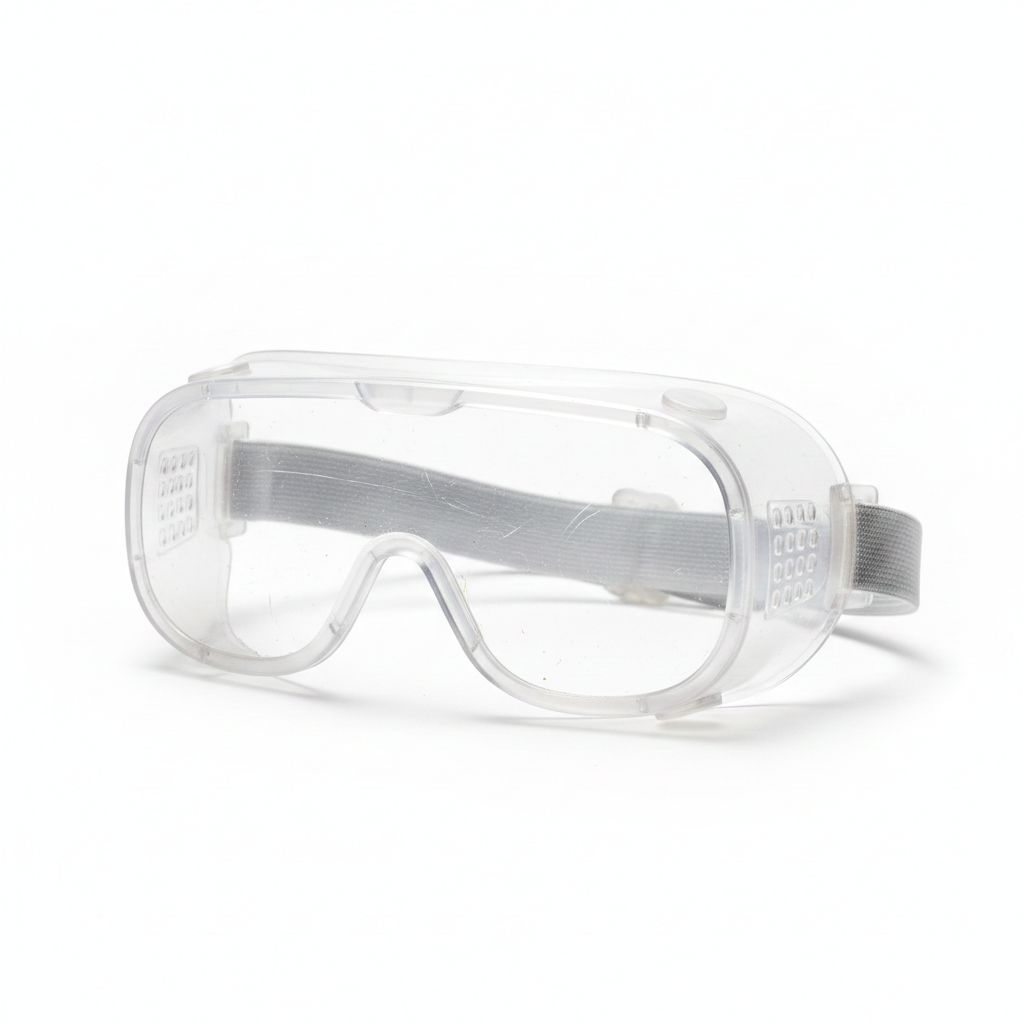
Safety goggles protect your eyes during chemistry lab equipment work. They shield you from splashes, fumes, and flying particles. You use them during heating, pouring, or mixing chemicals. They prevent injury during reactions. Students and technicians wear them for every wet experiment. They support safe handling practices in all lab tasks.
Safety Goggles Uses:
• Protect your eyes during chemistry lab equipment work.
• Block splashes, fumes, and flying particles.
• Used during heating, mixing, and pouring.
• Support safe handling during reactions.
• Required for students and technicians.
• Help prevent injury in every wet experiment.
Chemical Resistant Gloves
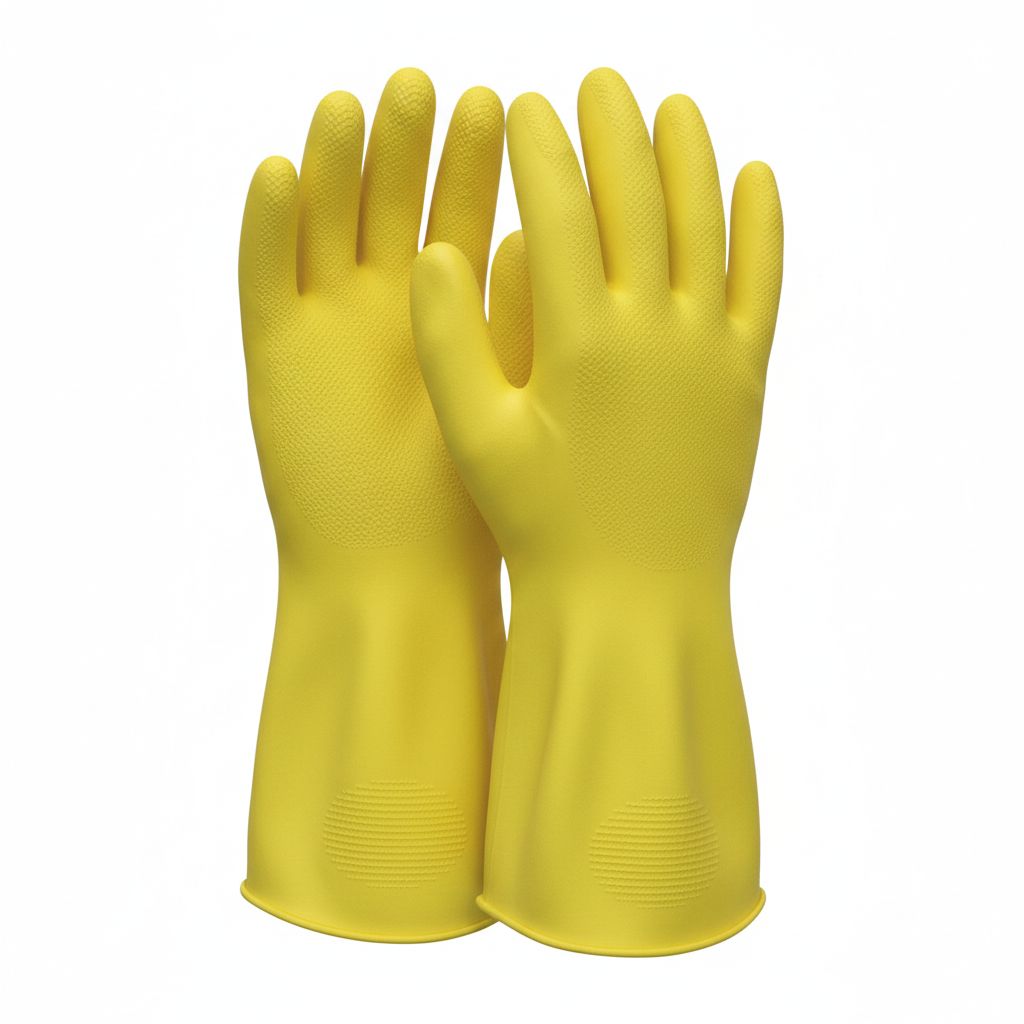
Chemical resistant gloves protect your hands during chemistry lab equipment handling. They block corrosive liquids, acids, and solvents. You use them for sample preparation, waste handling, and cleaning tasks. They reduce skin exposure during transfer of reagents. They support safe workflow in academic and industrial labs.
Chemical Resistant Gloves Uses:
• Protect your hands during chemistry lab equipment handling.
• Prevent contact with acids, solvents, and corrosive liquids.
• Used during waste handling, cleaning, and reagent transfer.
• Support safer workflow in labs.
• Reduce skin exposure during routine steps.
Boiling Flask
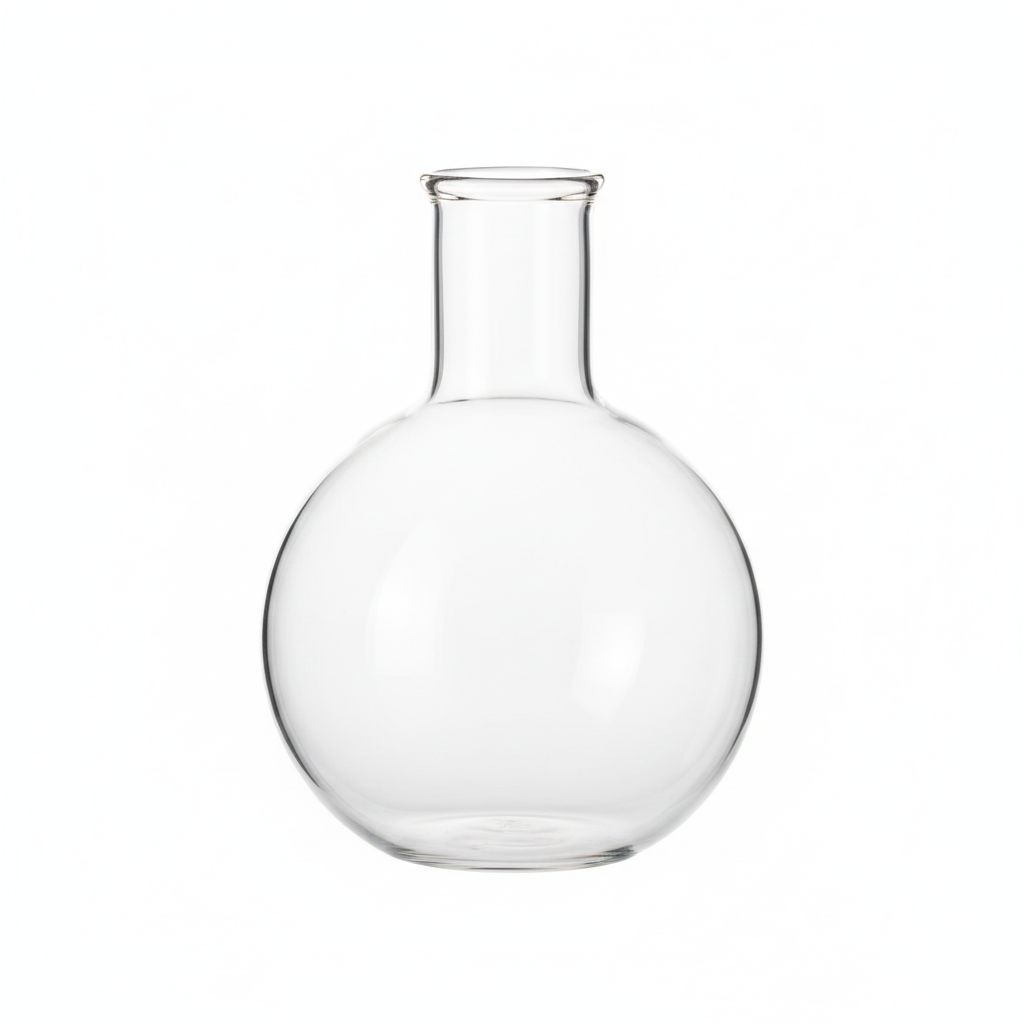
A boiling flask holds liquids for heating in chemistry lab equipment setups. Its round bottom spreads heat evenly. You use it for boiling solvents, preparing solutions, or running reactions. It pairs with stands and burners. Its neck allows safe attachment of stoppers or condensers during heating tasks.
Boiling Flask Uses:
• Used for heating liquids in chemistry lab equipment setups.
• Round bottom spreads heat evenly.
• Supports reactions, boiling, and solution preparation.
• Works with stands and burners.
• Neck allows safe attachment of stoppers or condensers.
Funnel
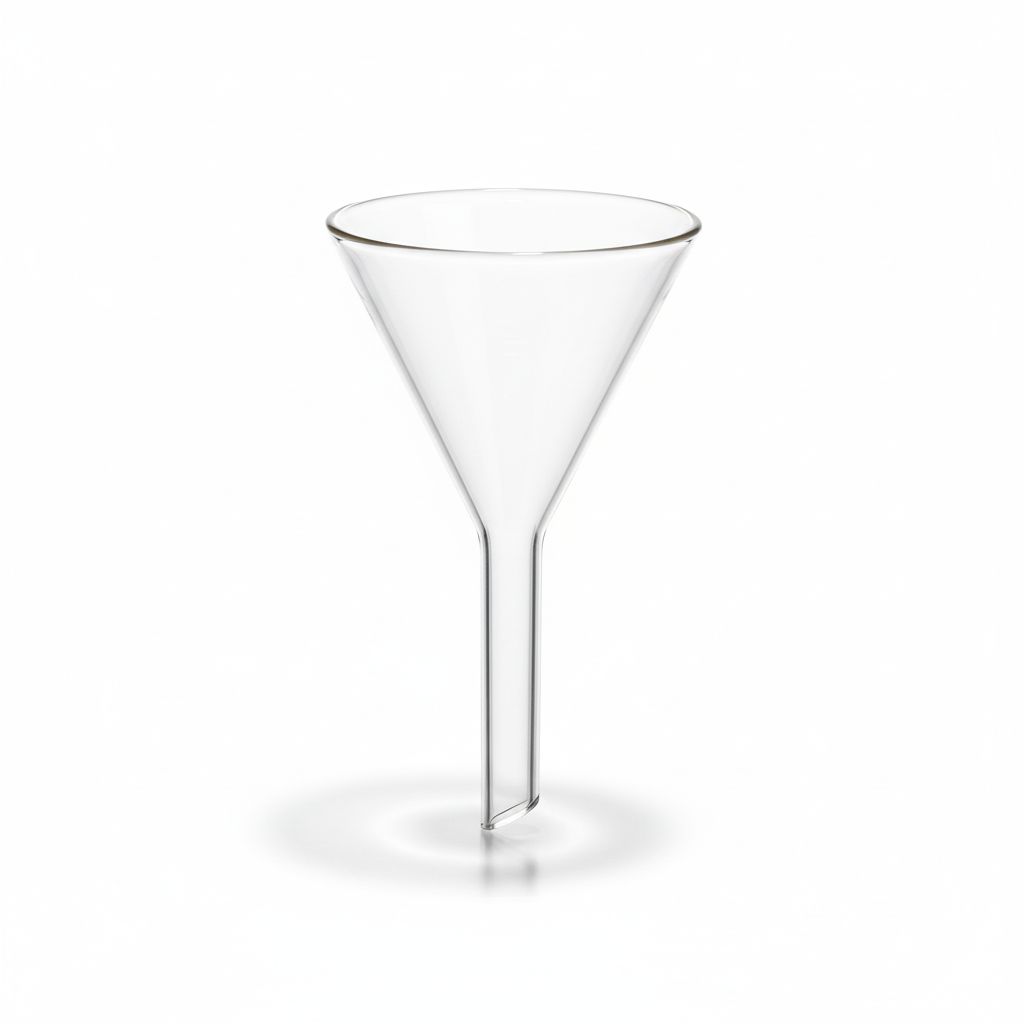
A funnel directs liquids into narrow containers during chemistry lab equipment use. Its wide mouth supports quick transfer. You use it to pour acids, solvents, or mixtures without spills. It supports filtration when paired with filter paper. It helps maintain clean work areas during solution preparation.
Funnel Uses:
• Guides liquids into narrow containers during chemistry lab equipment use.
• Reduces spills during transfer.
• Used for acids, solvents, and mixtures.
• Helps filtration with filter paper.
• Keeps the work area clean during preparation.
Measuring Cylinder
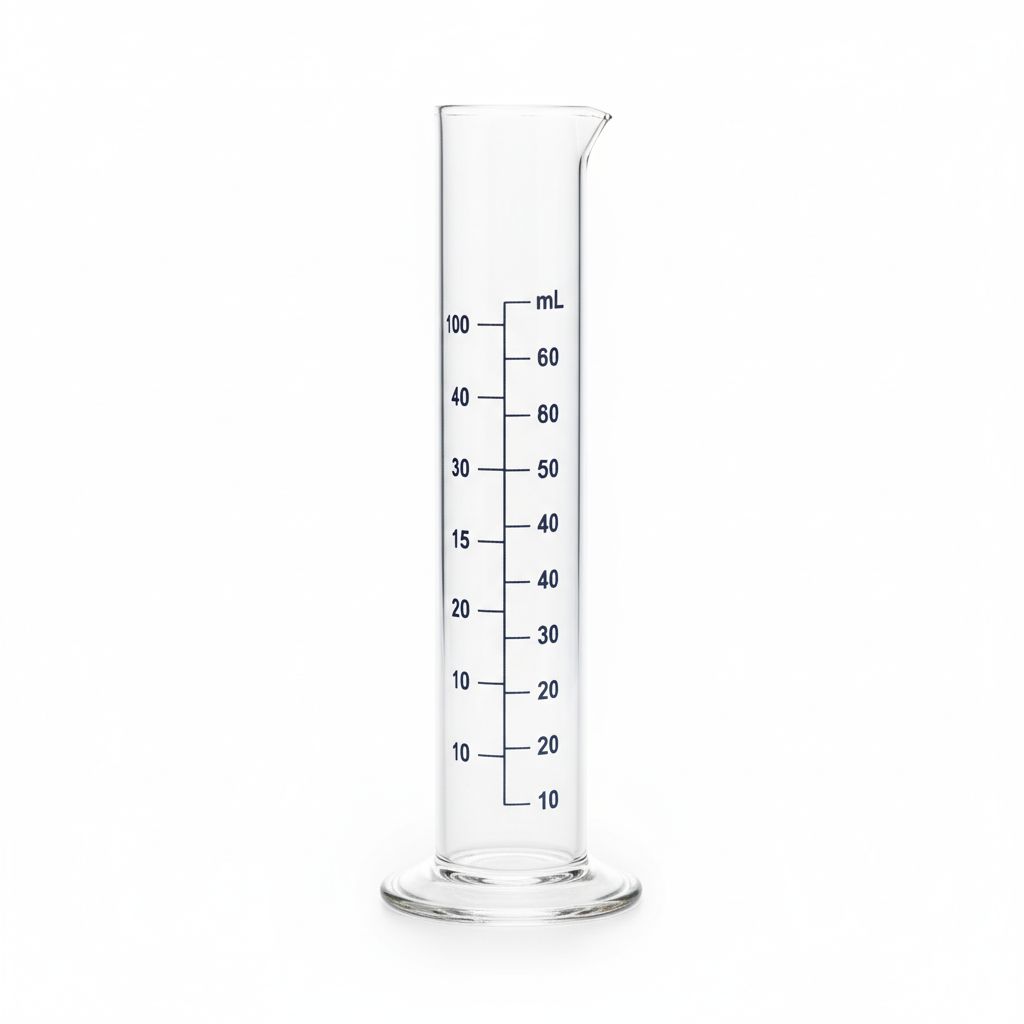
A measuring cylinder measures liquid volume in chemistry lab equipment tasks. Its graduations help you read volumes quickly. You use it for reagent preparation, dilution, or sample measurement. It supports accurate workflow during routine lab work. Students use it during titration prep and solution standardization.
Measuring Cylinder Uses:
• Measures liquid volume during chemistry lab equipment tasks.
• Graduations help quick reading.
• Used for dilutions, reagent prep, and routine measurement.
• Supports consistent workflow in teaching and industry labs.
Volumetric Flask
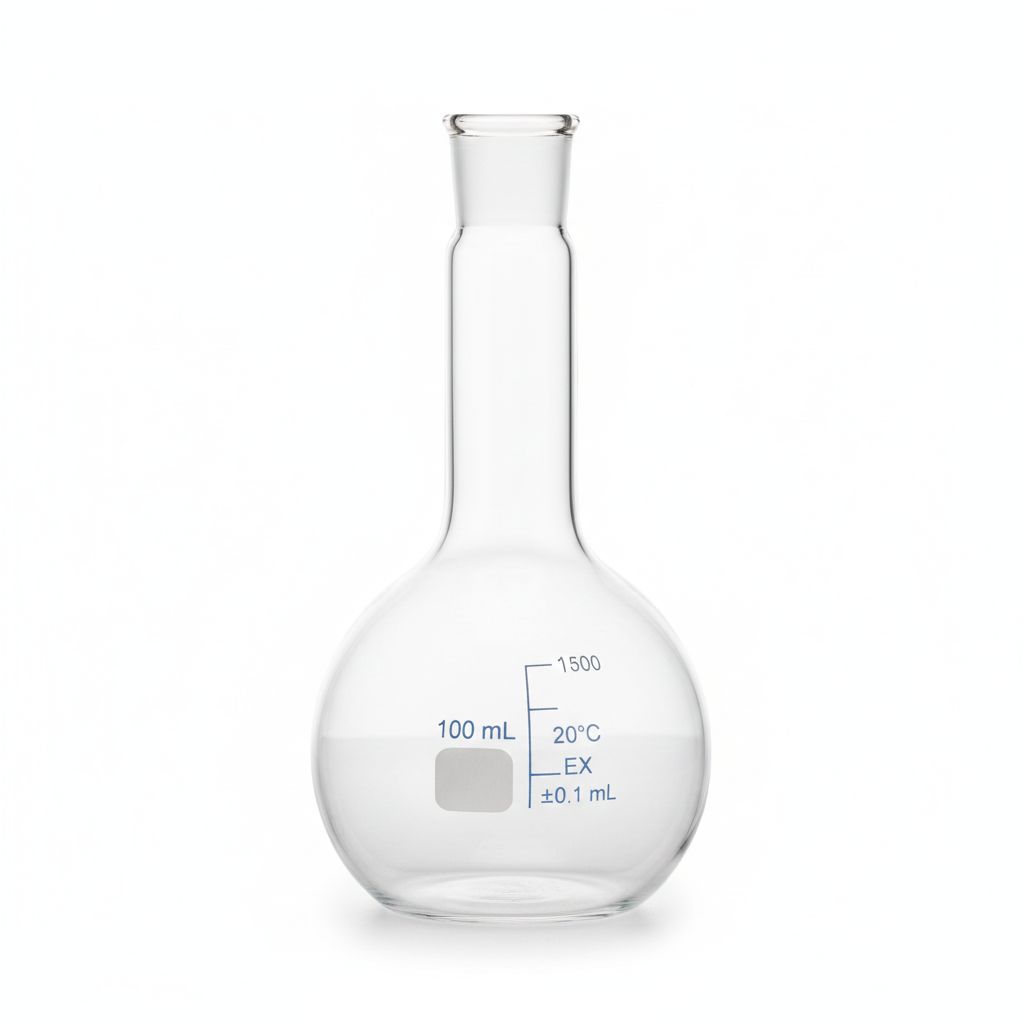
A volumetric flask prepares fixed volume solutions during chemistry lab equipment tasks. Its marked line ensures a single exact volume. You use it for standards, buffers, and dilution series. It supports consistent concentration during chemical analysis. It is used in education and quality labs.
Volumetric Flask Uses:
• Used for fixed volume solution preparation in chemistry lab equipment tasks.
• Single calibration line ensures exact volume.
• Suitable for standards, buffers, and dilution series.
• Supports consistent concentration during analysis.
Dropper
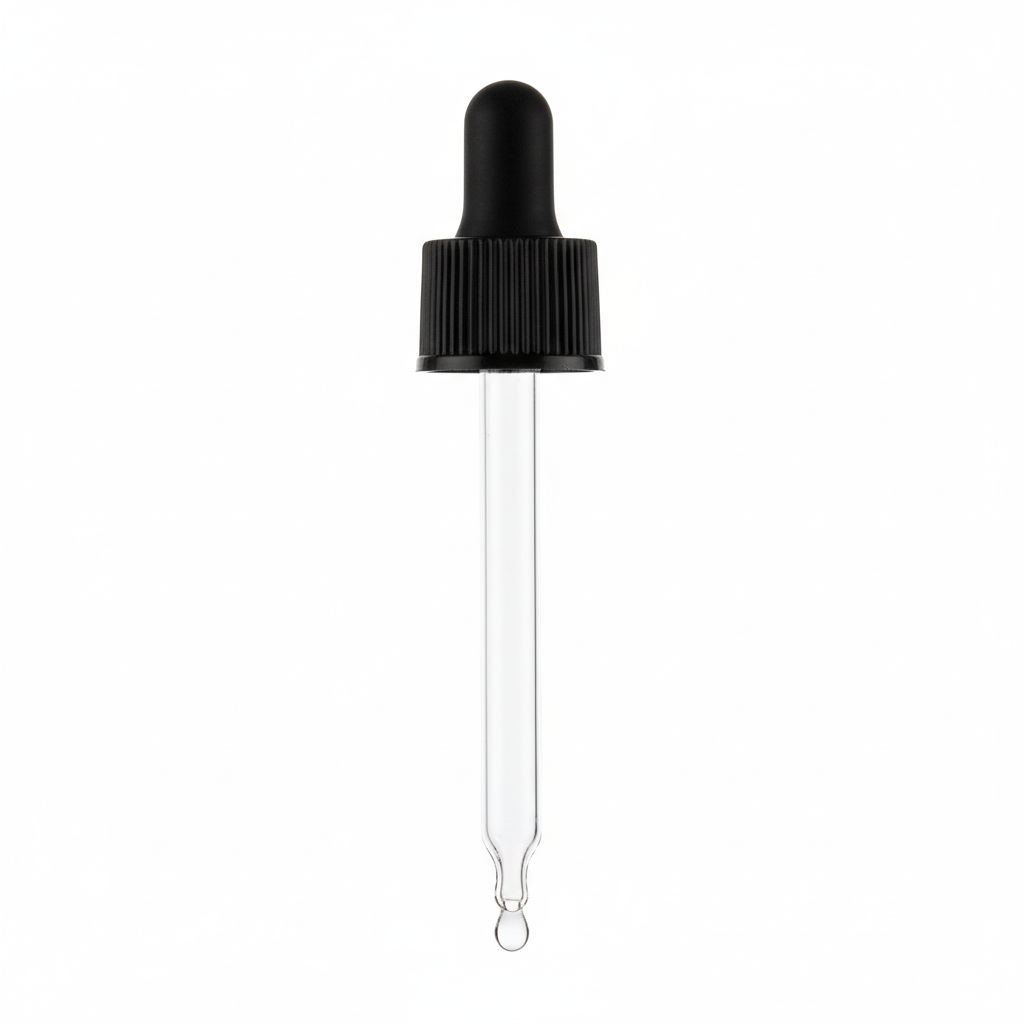
A dropper transfers small volumes during chemistry lab equipment work. It helps you add liquids drop by drop. You use it for indicators, reagents, or sensitive additions. It supports titration setups, spot tests, and sample prep. It provides controlled delivery of small amounts.
Dropper Uses:
• Transfers small liquid amounts in chemistry lab equipment work.
• Provides dropwise addition.
• Used for indicators, reagents, and sensitive additions.
• Helps in titration setup and spot tests.
Pipettes
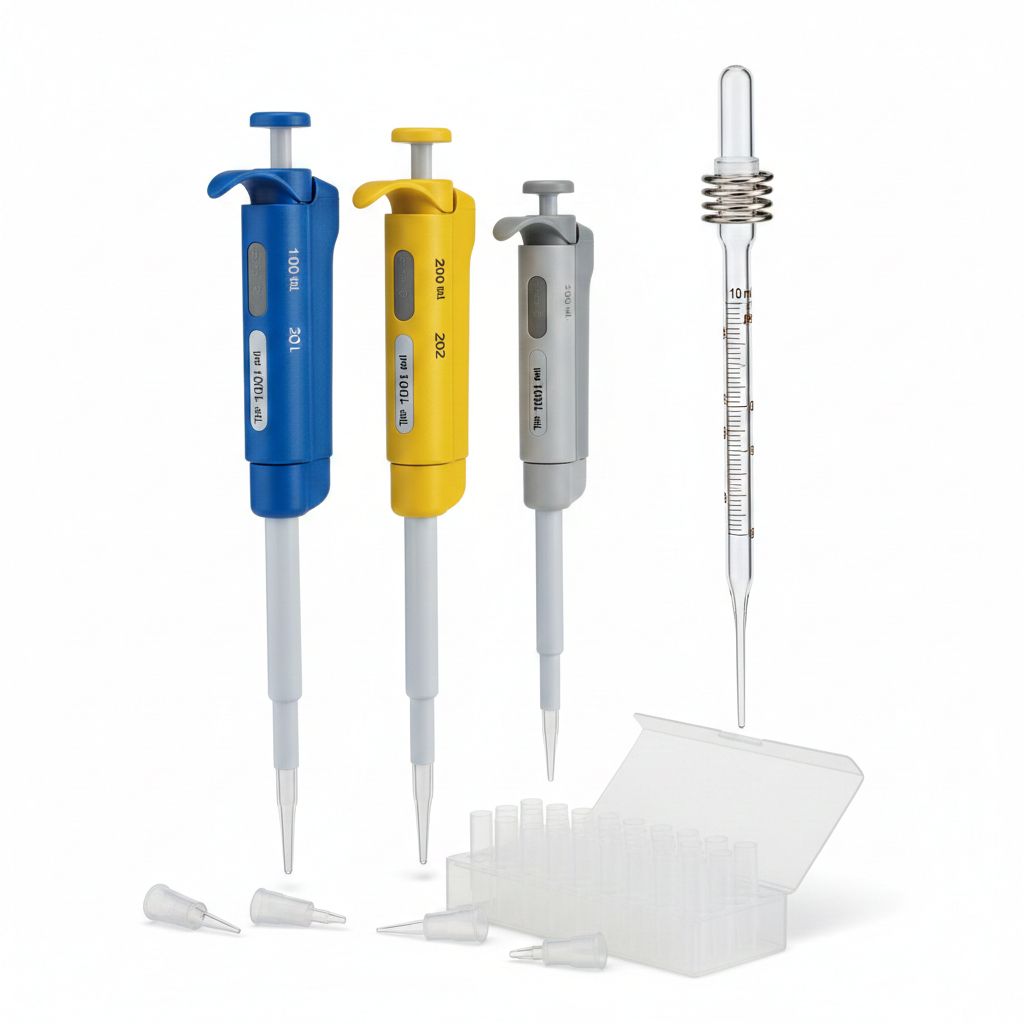
Pipettes move precise amounts of liquid in chemistry lab equipment tasks. Their narrow tube supports consistent measurement. You use them for analysis, dilution, and reagent transfer. They support sample preparation in teaching and research labs. They help maintain fixed volumes during quantitative work.
Pipettes Uses:
• Move precise liquid volumes during chemistry lab equipment tasks.
• Support sample preparation in research and teaching labs.
• Used for dilution, analysis, and reagent transfer.
• Offer consistent measurement for quantitative steps.
Burettes
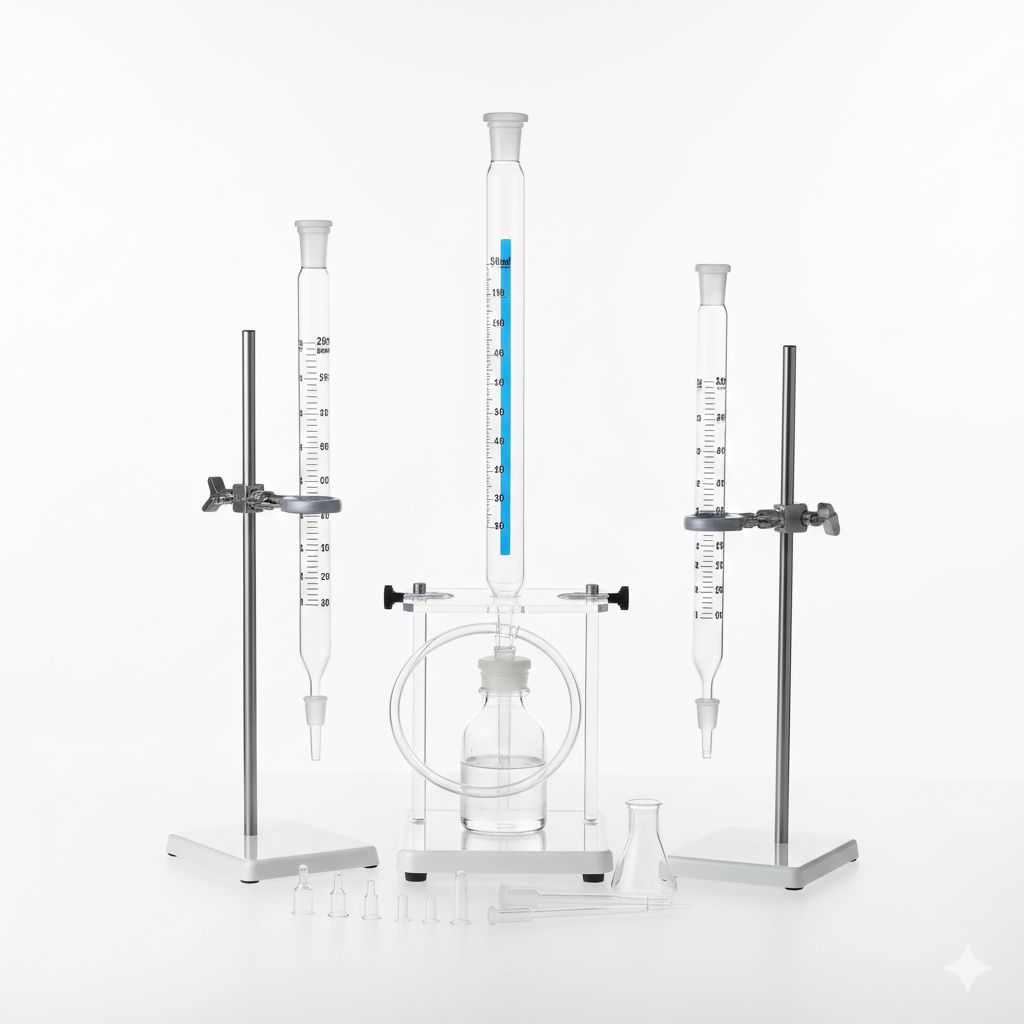
Burettes measure liquid during titration in chemistry lab equipment settings. The stopcock controls flow. You use them for acid base titrations, redox titrations, and standardization. They support consistent endpoint reading. Their long scale helps you read volume differences with ease.
Burettes Uses:
• Used for titration in chemistry lab equipment operations.
• Long scale supports accurate reading.
• Stopcock controls flow.
• Useful for acid base and redox titrations.
• Helps determine exact endpoints.
Thermometer
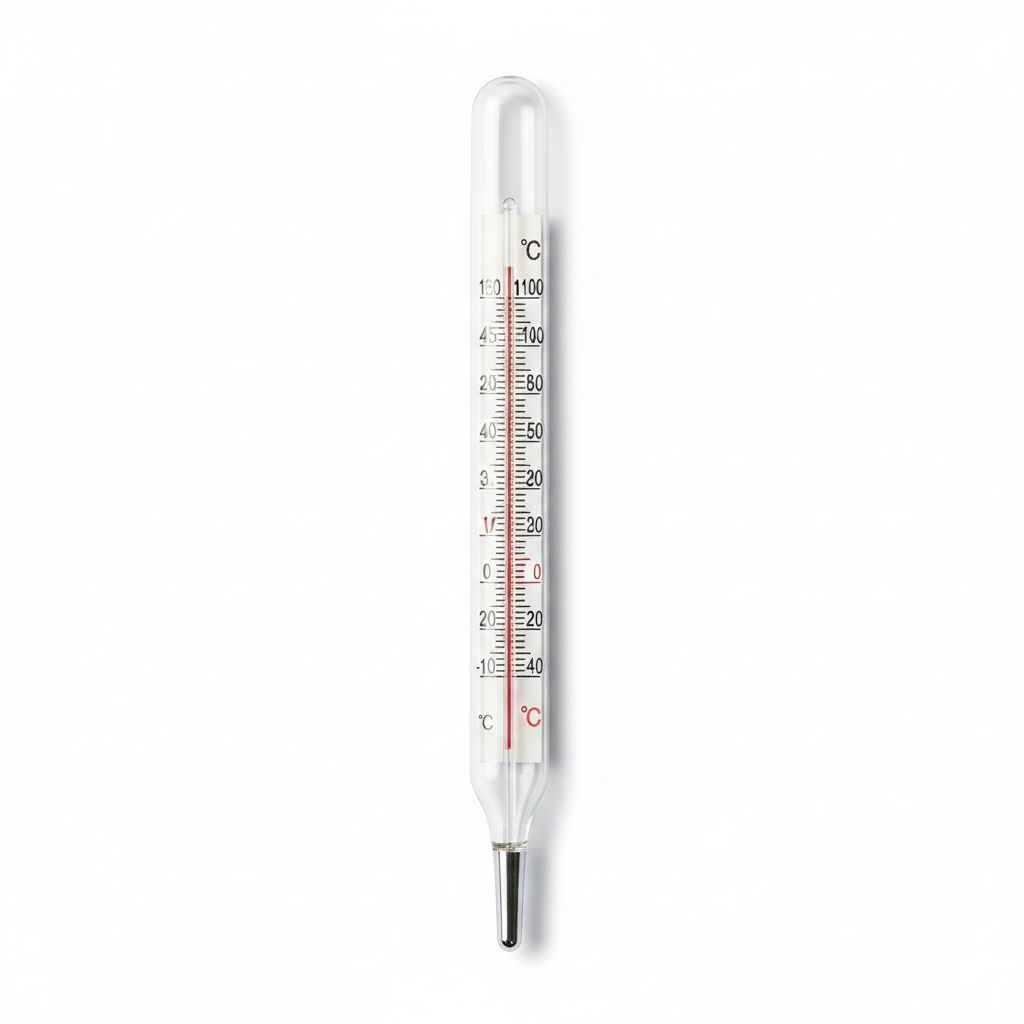
A thermometer measures temperature during chemistry lab equipment procedures. You use it to monitor reactions, heating, and cooling steps. It supports controlled operation during distillation and crystallization. Students and analysts use it to maintain set conditions during experiments.
Thermometer Uses:
• Measures temperature during chemistry lab equipment procedures.
• Used for monitoring reactions, heating, and cooling.
• Supports controlled operation in distillation and crystallization.
• Helps maintain set conditions for experiments.
Bunsen Burner
A Bunsen burner produces an adjustable flame for chemistry lab equipment work. You use it for heating solids, liquids, and glassware. It supports sterilization of tools. It helps you perform flame based tests in educational and research settings.
Bunsen Burner Uses:
• Produces adjustable flame in chemistry lab equipment work.
• Used for heating solids, liquids, and glassware.
• Supports flame tests and sterilization.
• Common in school and research labs.
Fume Hood
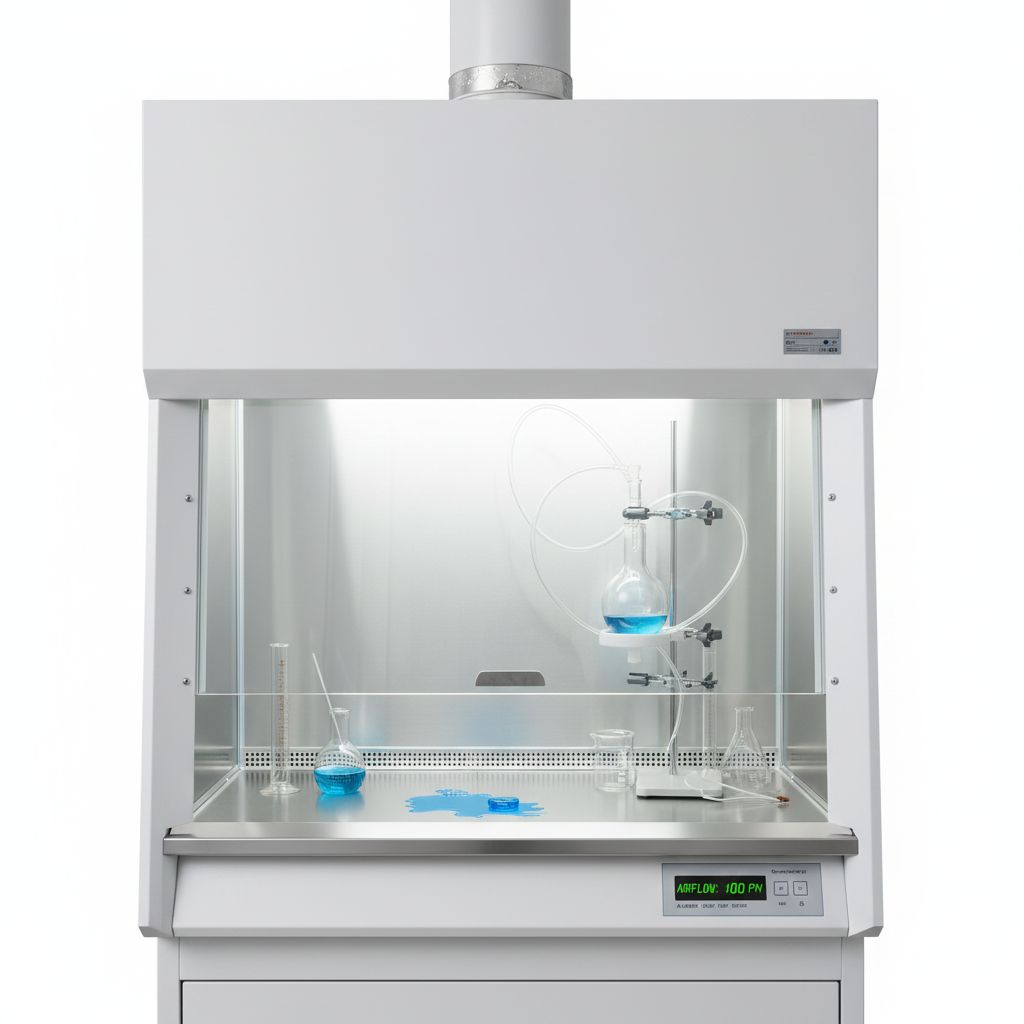
A fume hood removes hazardous vapors during chemistry lab equipment tasks. Airflow pulls fumes away from you. You use it for strong acids, volatile solvents, and toxic gases. It supports safer handling of reactions and sample prep. It protects users and surrounding spaces.
Fume Hood Uses:
• Removes vapors during chemistry lab equipment tasks.
• Airflow pulls fumes away from users.
• Used for strong acids, volatile solvents, and toxic gases.
• Helps maintain safer working conditions.
Test Tube
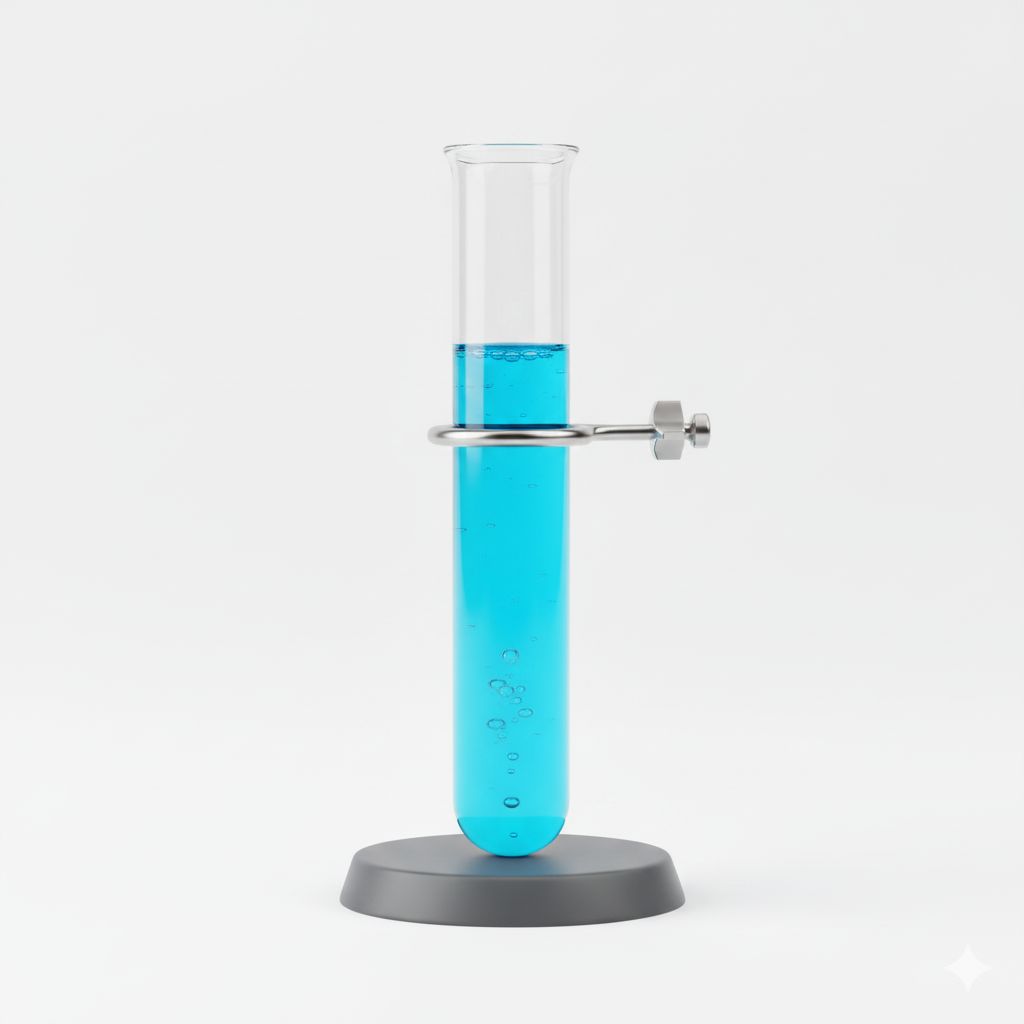
A test tube holds small samples during chemistry lab equipment procedures. You use it for reactions, heating, or mixing. It supports qualitative tests and quick observations. It is used in schools, colleges, and labs for routine checks.
Test Tube Uses:
• Holds small samples during chemistry lab equipment procedures.
• Used for heating, mixing, and simple reactions.
• Supports qualitative tests.
• Common in routine education and lab work.
Analytical Balance
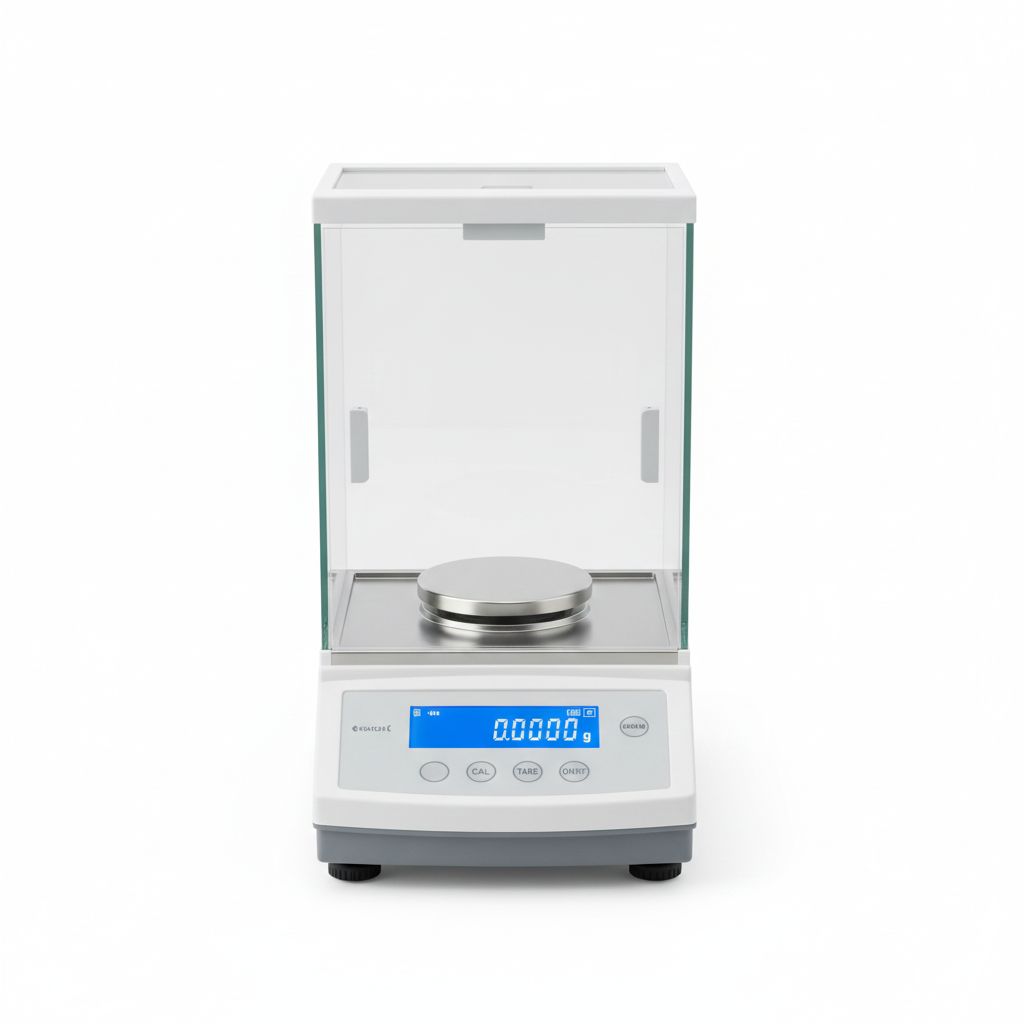
An analytical balance measures mass with high resolution during chemistry lab equipment work. You use it for reagent weighing, sample prep, and standard preparation. It supports quantitative analysis. It helps maintain fixed measurement during lab tasks.
Analytical Balance Uses:
• Measures mass with high resolution during chemistry lab equipment work.
• Used for reagent weighing and sample preparation.
• Supports quantitative analysis.
• Helps maintain fixed measurement for accurate results.
Distillation Apparatus
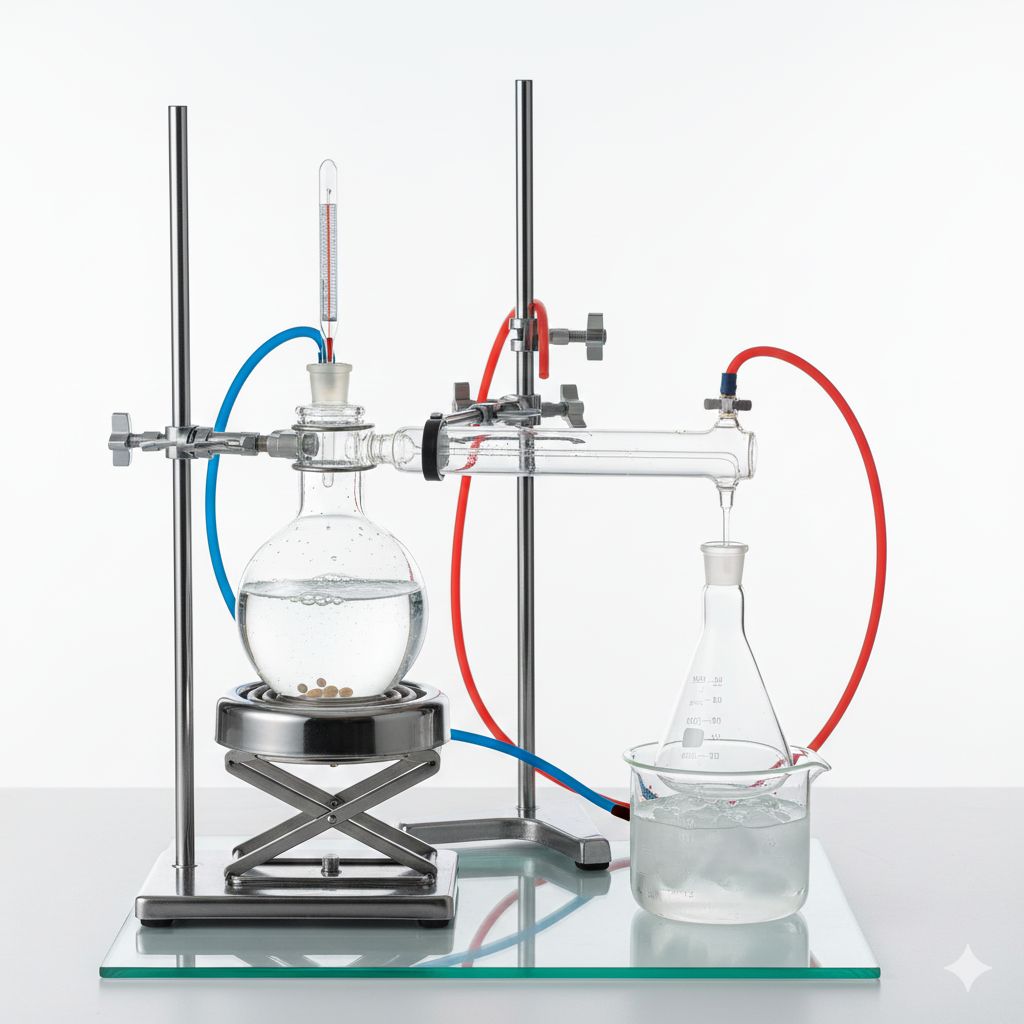
A distillation apparatus separates liquids during chemistry lab equipment operations. Heat vaporizes the mixture. Cool surfaces condense vapor into a receiver. You use it for purification, solvent recovery, and separation tasks. It supports organic and inorganic lab work in academic and industrial environments.
Distillation Apparatus Uses:
• Separates liquid mixtures in chemistry lab equipment operations.
• Heat vaporizes liquid, condenser returns vapor as liquid.
• Used for purification and solvent recovery.
• Supports organic and inorganic lab work.