
Laboratory Microscope – Complete Guide, Types, Diagram, Uses & Price
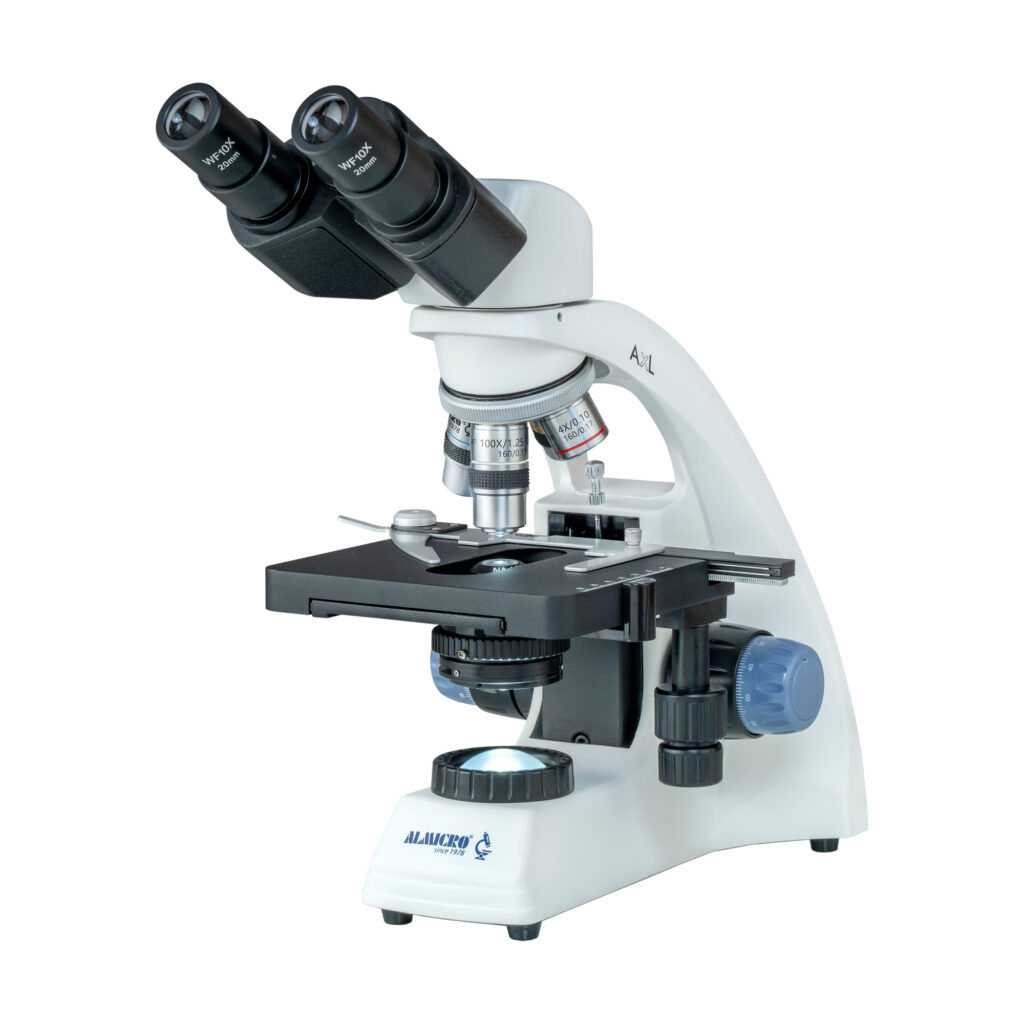
A Laboratory Microscope is one of the most essential instruments used in scientific research, medical diagnostics, education, and industrial laboratories. It enables scientists, students, and technicians to observe microscopic structures that are invisible to the naked eye. From basic biological studies to advanced pathological analysis, the laboratory microscope plays a critical role in accuracy, discovery, and innovation.
This detailed guide explains everything you need to know about a laboratory microscope, including its working principle, laboratory microscope diagram, laboratory microscope types, laboratory microscope uses, and laboratory microscope price range.
What Is a Laboratory Microscope?
A laboratory microscope is a precision optical instrument designed to magnify small objects such as cells, tissues, microorganisms, crystals, and material surfaces. Unlike simple microscopes, laboratory microscopes offer higher magnification, better resolution, and advanced illumination systems for detailed observation.
Modern laboratory microscopes are engineered with high-quality optics, stable mechanical structures, and ergonomic designs to ensure accurate and fatigue-free usage in laboratories.
Basic Principle of a Laboratory Microscope
The working principle of a laboratory microscope is based on magnification and resolution. Light passes through or reflects from the specimen and enters the objective lens. The objective lens produces a magnified image, which is further enlarged by the eyepiece lens, allowing the observer to see fine structural details.
Advanced laboratory microscopes may also use phase contrast, fluorescence, or digital imaging techniques for enhanced visualization.
Laboratory Microscope Diagram (Explained)
Understanding a laboratory microscope diagram helps users operate the instrument correctly and maintain it properly.
Main Parts in a Laboratory Microscope Diagram:

- Eyepiece (Ocular Lens)
The eyepiece is the top lens through which the user observes the specimen. It usually provides 10x magnification. - Objective Lenses
These are the primary magnifying lenses (4x, 10x, 40x, 100x) mounted on a revolving nosepiece. - Revolving Nosepiece
Holds multiple objective lenses and allows quick switching between magnifications. - Stage
The flat platform where the specimen slide is placed. Mechanical stages allow precise movement. - Condenser
Focuses light onto the specimen to enhance clarity and contrast. - Illuminator (Light Source)
Provides controlled illumination, usually LED or halogen. - Coarse and Fine Focus Knobs
Used to bring the specimen into sharp focus. - Arm and Base
Provide structural support and stability.
A properly labeled laboratory microscope diagram is essential for training, examinations, and practical laboratory work.
Laboratory Microscope Types
There are several laboratory microscope types, each designed for specific applications. Choosing the right type depends on the nature of the work being performed.
1. Compound Laboratory Microscope

The most commonly used laboratory microscope, ideal for viewing thin specimens such as blood smears, bacteria, and tissue sections. It uses multiple lenses for high magnification.
2. Biological Laboratory Microscope

Designed specifically for biological applications, this microscope is widely used in medical, pathology, and microbiology laboratories.
3. Stereo (Dissecting) Microscope
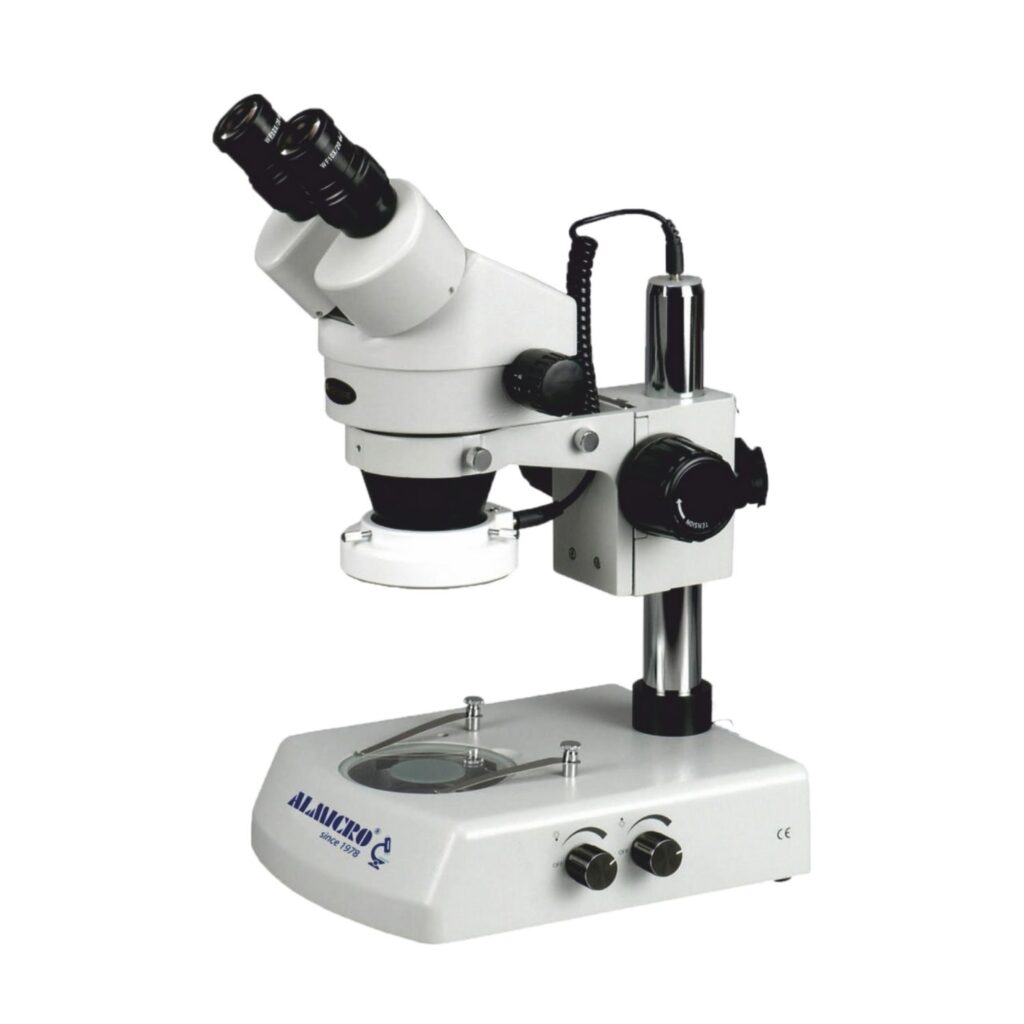
Provides a three-dimensional view at lower magnification. Commonly used in dissection, electronics, and industrial inspection.
4. Phase Contrast Microscope
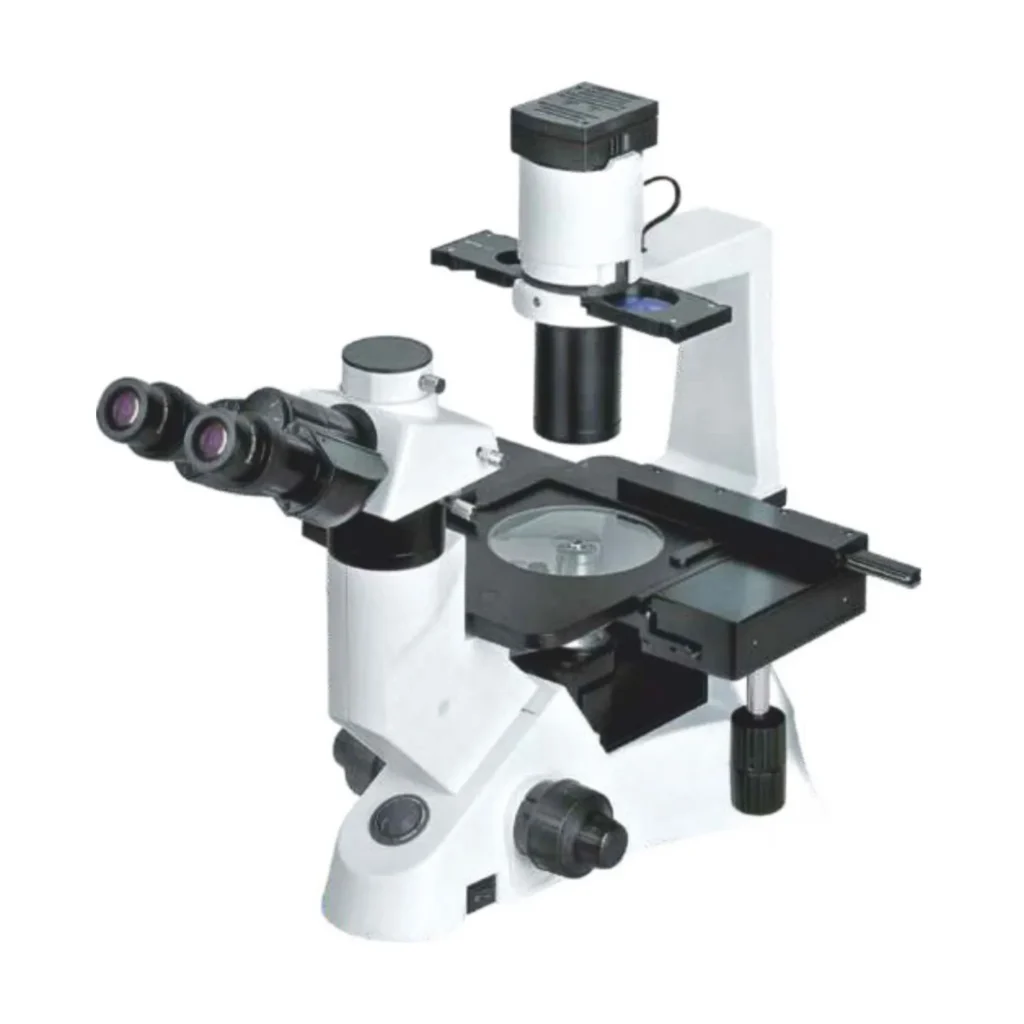
Allows observation of transparent specimens without staining. Popular in cell biology and live cell studies.
5. Fluorescence Laboratory Microscope
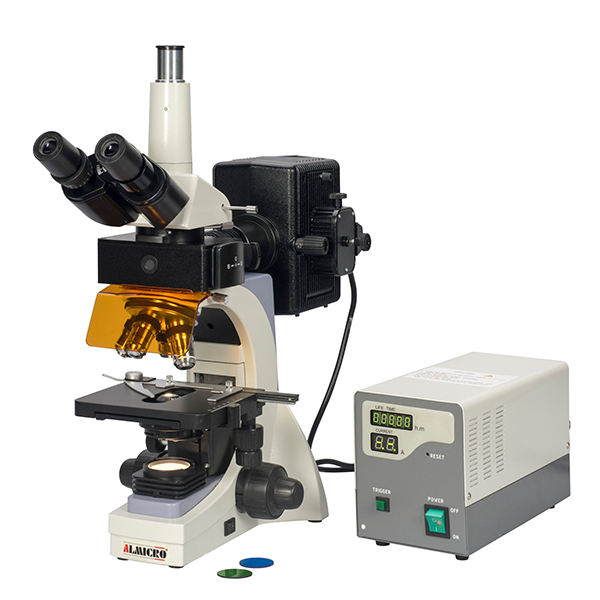
Used in advanced research to study specimens labeled with fluorescent dyes, commonly used in molecular biology and diagnostics.
6. Digital Laboratory Microscope
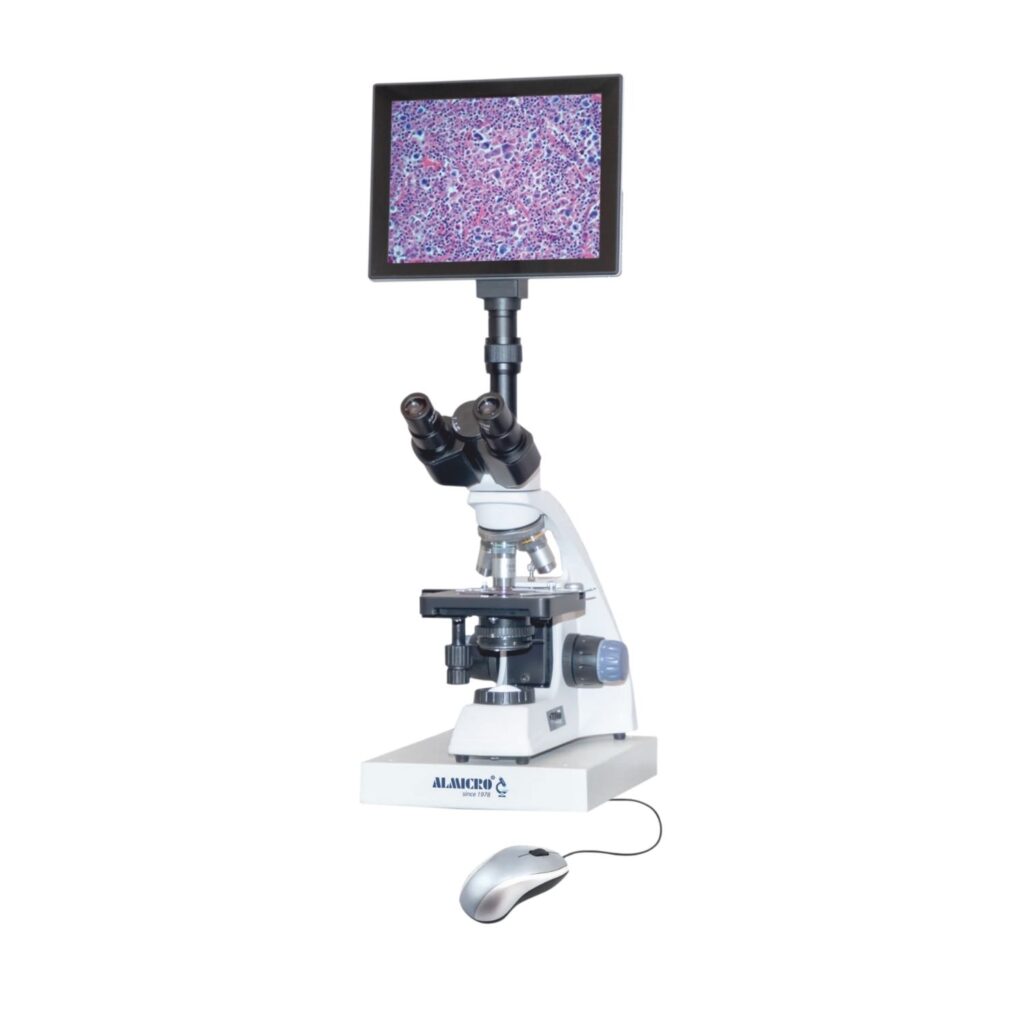
Equipped with a camera and display screen, allowing image capture, analysis, and documentation.
Understanding different laboratory microscope types helps laboratories invest in the right equipment for long-term efficiency.
Laboratory Microscope Uses
The laboratory microscope uses are vast and span across multiple industries and disciplines.
1. Medical and Pathology Laboratories
Used to examine blood samples, tissues, bacteria, and parasites for disease diagnosis.
2. Educational Institutions
Essential teaching tool in schools, colleges, and universities for biology and life science practicals.
3. Research and Development
Used in biotechnology, pharmaceuticals, and material science research.
4. Industrial Quality Control
Helps inspect surface defects, coatings, and microstructures in manufacturing.
5. Environmental and Food Testing
Used to detect contaminants, microorganisms, and impurities.
6. Clinical and Diagnostic Centers
Assists in routine testing, histology, and cytology analysis.
Due to these extensive laboratory microscope uses, it remains one of the most indispensable scientific instruments.
Laboratory Microscope Price – What Determines the Cost?
The laboratory microscope price varies widely depending on specifications, features, and application requirements.
Factors Affecting Laboratory Microscope Price:
- Type of microscope (compound, digital, fluorescence)
- Optical quality and magnification range
- Illumination system (LED, halogen)
- Build quality and durability
- Digital imaging and software integration
- Brand and manufacturing standards
Approximate Laboratory Microscope Price Range (India):
- Basic student laboratory microscope: ₹3,000 – ₹8,000
- Standard compound laboratory microscope: ₹8,000 – ₹25,000
- Advanced biological microscope: ₹25,000 – ₹60,000
- Digital laboratory microscope: ₹35,000 – ₹1,00,000+
- Fluorescence microscope: ₹1,50,000 and above
Investing in a quality laboratory microscope ensures accuracy, longevity, and better research outcomes.
How to Choose the Right Laboratory Microscope
When selecting a laboratory microscope, consider the following points:
- Purpose of use (education, research, diagnostics)
- Required magnification and resolution
- Type of specimens
- Frequency of usage
- Budget and laboratory microscope price range
- Availability of service and spare parts
Making an informed decision helps avoid unnecessary upgrades and operational issues later.
Maintenance and Care of a Laboratory Microscope
Proper maintenance extends the lifespan of a laboratory microscope.
- Clean lenses with lens paper only
- Avoid touching optical surfaces
- Store in a dust-free environment
- Cover the microscope when not in use
- Regularly check illumination and alignment
Routine care ensures consistent performance and reliable results.
Importance of Laboratory Microscope in Modern Science
The laboratory microscope has revolutionized scientific understanding by making the invisible visible. From discovering microorganisms to advancing cancer research, microscopes have enabled breakthroughs that shape modern medicine, biology, and technology.
With continuous advancements in optics and digital imaging, laboratory microscopes are becoming more powerful, precise, and user-friendly.
At the End
A Laboratory Microscope is the backbone of scientific observation and analysis. Understanding laboratory microscope types, laboratory microscope diagram, laboratory microscope uses, and laboratory microscope price helps laboratories, institutions, and professionals choose the right instrument for their needs.
Whether used for education, diagnostics, or advanced research, investing in a high-quality laboratory microscope ensures accuracy, efficiency, and long-term value.