

physics laboratory that’s properly equipped allows students to grasp complex scientific concepts via experiential learning. This guide covers everything, whether you’re trying to set up a new school lab, update an existing lab, or are looking for an authoritative source of information before making a purchase. Here is the Complete Physics Lab Equipment List With Pictures, the working principle of each piece of equipment, as well as suggestions for purchasing.
This guide also includes how to find the best Physics Lab Equipment Shop Near Me, along with essential information for physics lab equipment for schools.
Understanding the Importance of Physics Lab Equipment
Physics is based on experiments, observations, and analysis. A classroom alone cannot develop scientific thinking unless supported by proper laboratory instruments. High-quality physics equipment helps students:
-
Perform experiments accurately
-
Understand real-world applications
-
Develop practical knowledge
-
Build interest in science
-
Learn measurement, observation, and calculations
Top 20 Most Used Physics Lab Equipment (Meaning, Uses & Key Features)
1. Vernier Caliper
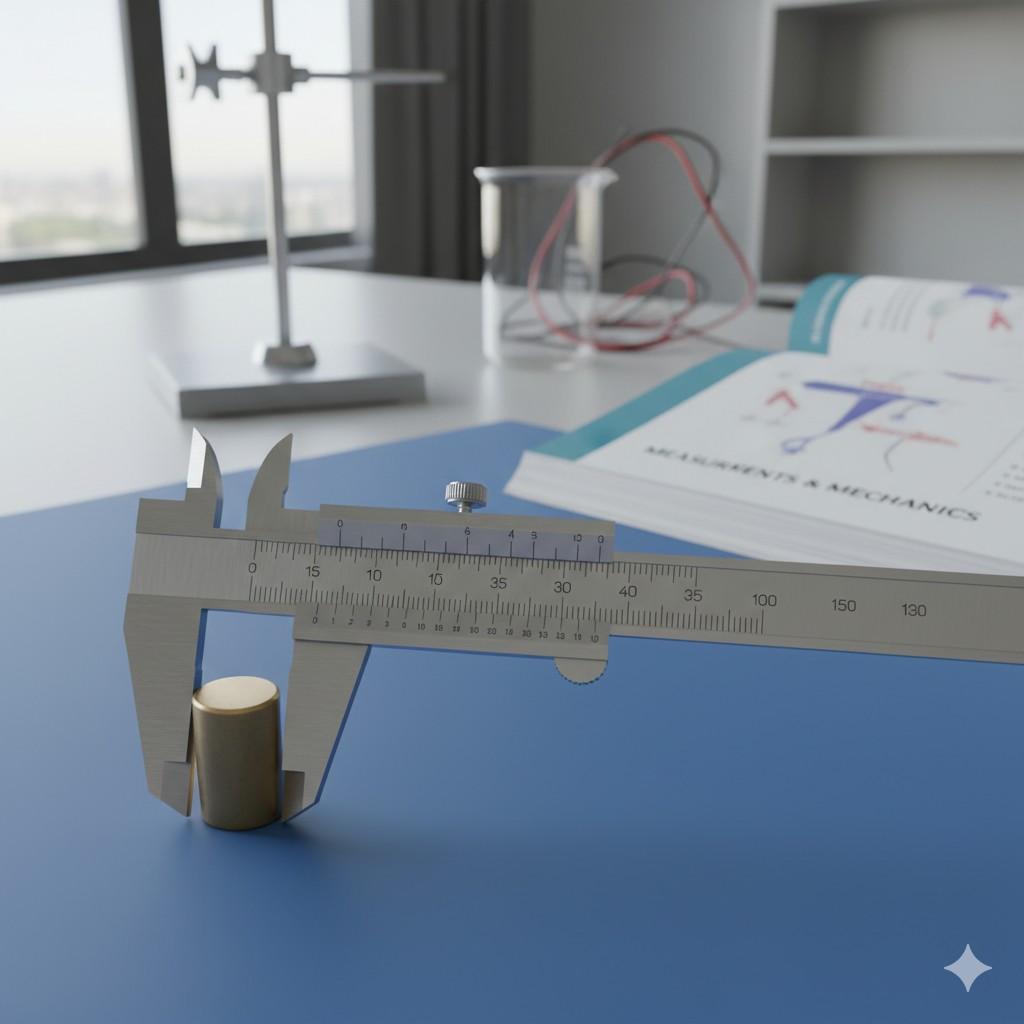
Meaning: A precision measuring instrument used to measure the internal, external, and depth dimensions of objects.
Description:
A vernier caliper is a highly accurate mechanical measuring tool designed for laboratory and engineering use. It consists of a main scale and a vernier scale that provide precise readings up to 0.02 mm. It helps students understand measurement errors, accuracy concepts, and practical dimensional analysis.
Uses: Measuring diameter, thickness, depth, width.
Key Features: High accuracy, durable steel body, dual scales.
2. Screw Gauge (Micrometer)
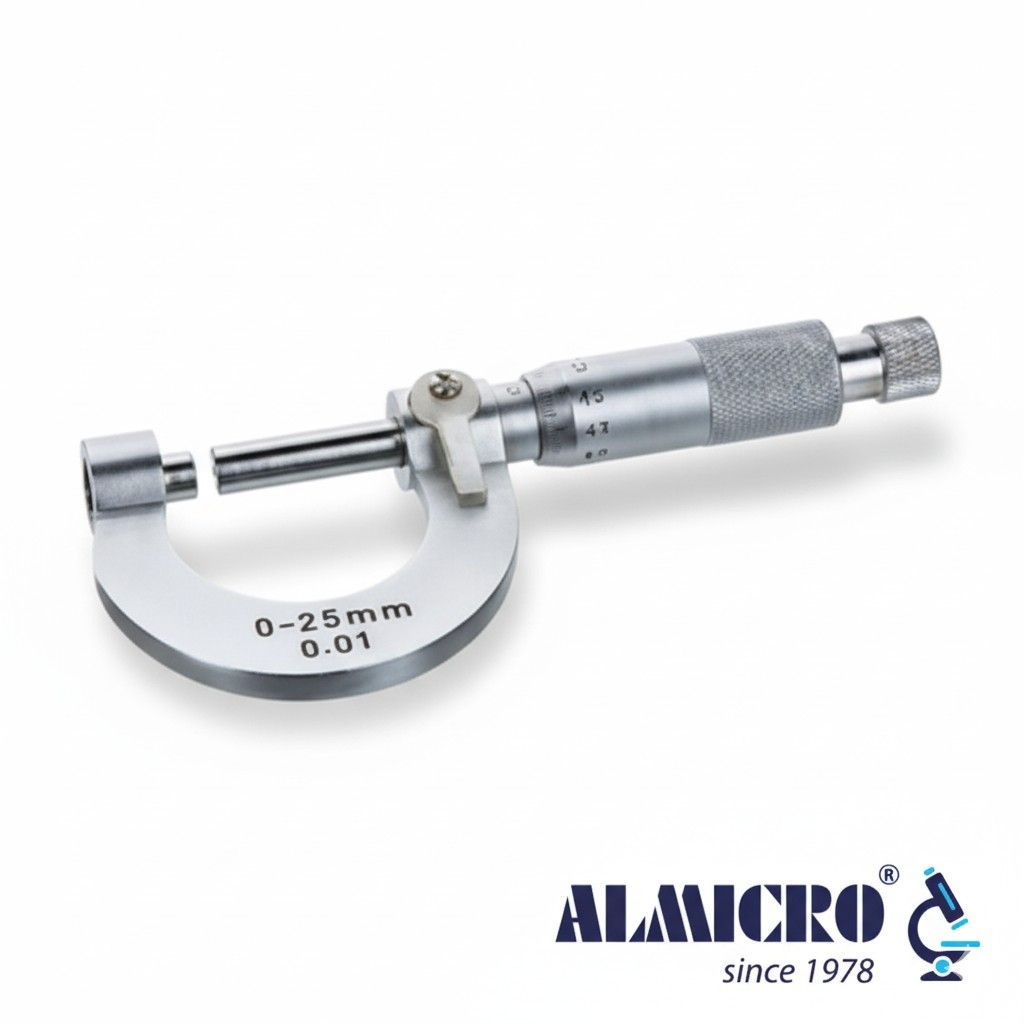
Meaning: A device used to measure extremely small thicknesses or diameters.
Description:
The screw gauge uses a precision screw mechanism for micro-level measurements. It allows students to measure fine wires, sheets, or tiny components with sensitivity as high as 0.01 mm. Its pitch and least count concepts strengthen understanding of mechanical precision.
Uses: Wire thickness, paper thickness, small components.
Key Features: High sensitivity, rotating thimble, locking system.
3. Stopwatch
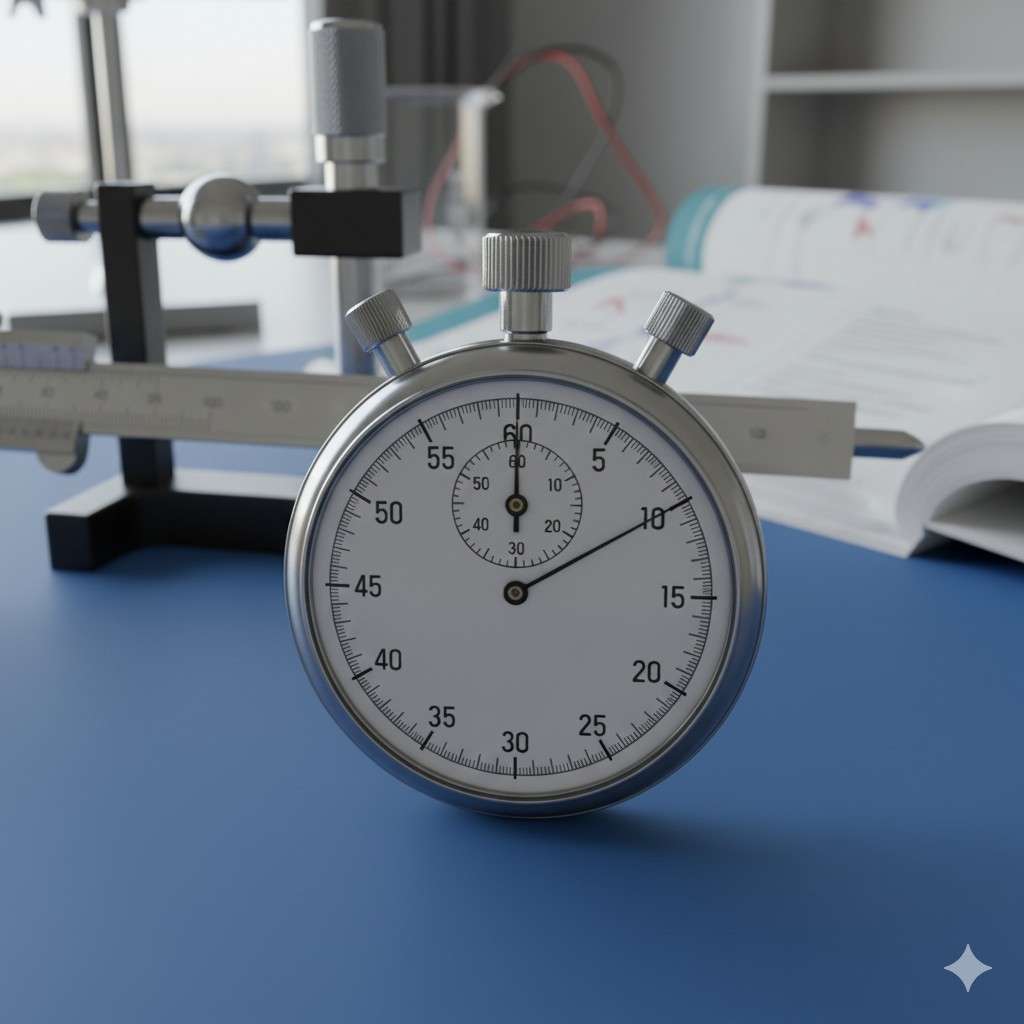
Meaning: A time-measuring device used for accurate time interval measurement.
Description:
A stopwatch is essential for experiments involving time, motion, oscillations, and rates of change. It offers millisecond accuracy and helps students carefully record time intervals for calculations like velocity, frequency, and acceleration.
Uses: Pendulum experiments, motion studies.
Key Features: Digital accuracy, start/stop/reset, clear display.
4. Ammeter
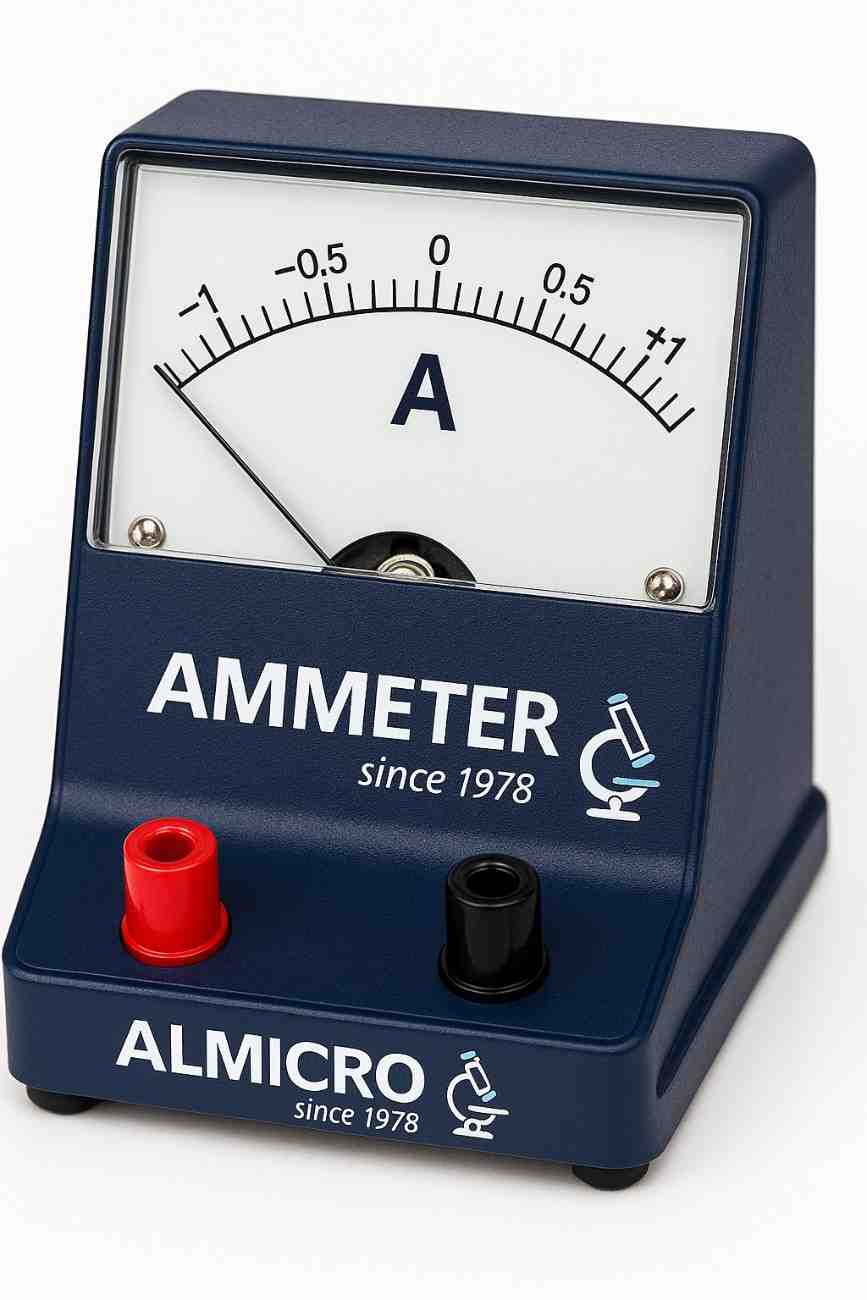
Meaning: An instrument that measures electric current in a circuit.
Word Description:
An ammeter provides students with practical exposure to measuring current flow. It is connected in series to help visualize how current behaves in real circuits. High accuracy and easy reading make it essential for electrical experiments.
Uses: Current measurement, circuit testing.
Key Features: Analog/digital variants, low internal resistance.
5. Voltmeter
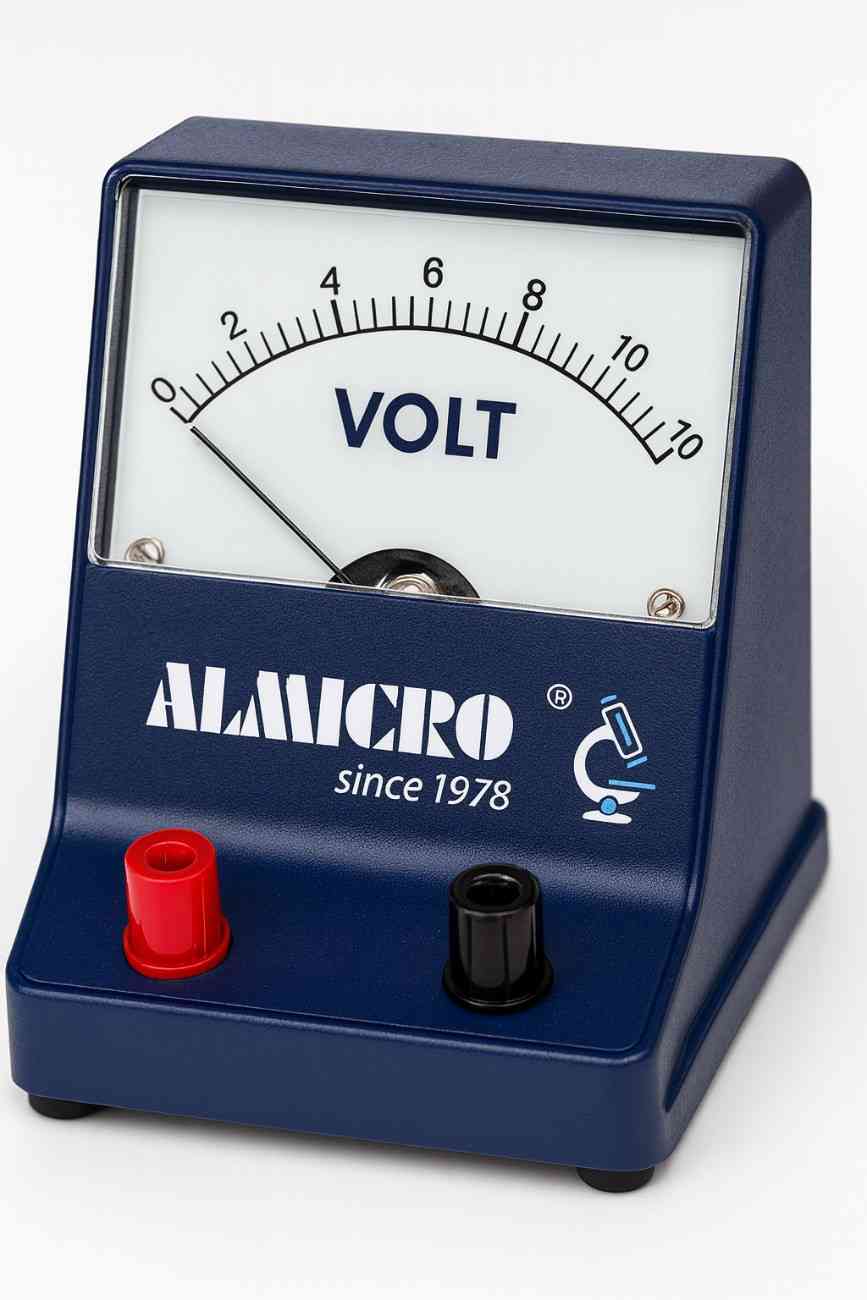
Meaning: A device used to measure voltage across components.
Word Description:
A voltmeter helps students understand electric potential difference across resistors, bulbs, and circuits. It is connected in parallel and offers a wide voltage range for academic experiments. Clear readings help improve accuracy in practical work.
Uses: Measuring potential difference.
Key Features: High impedance, easy-to-read scale.
6. Resistance Box
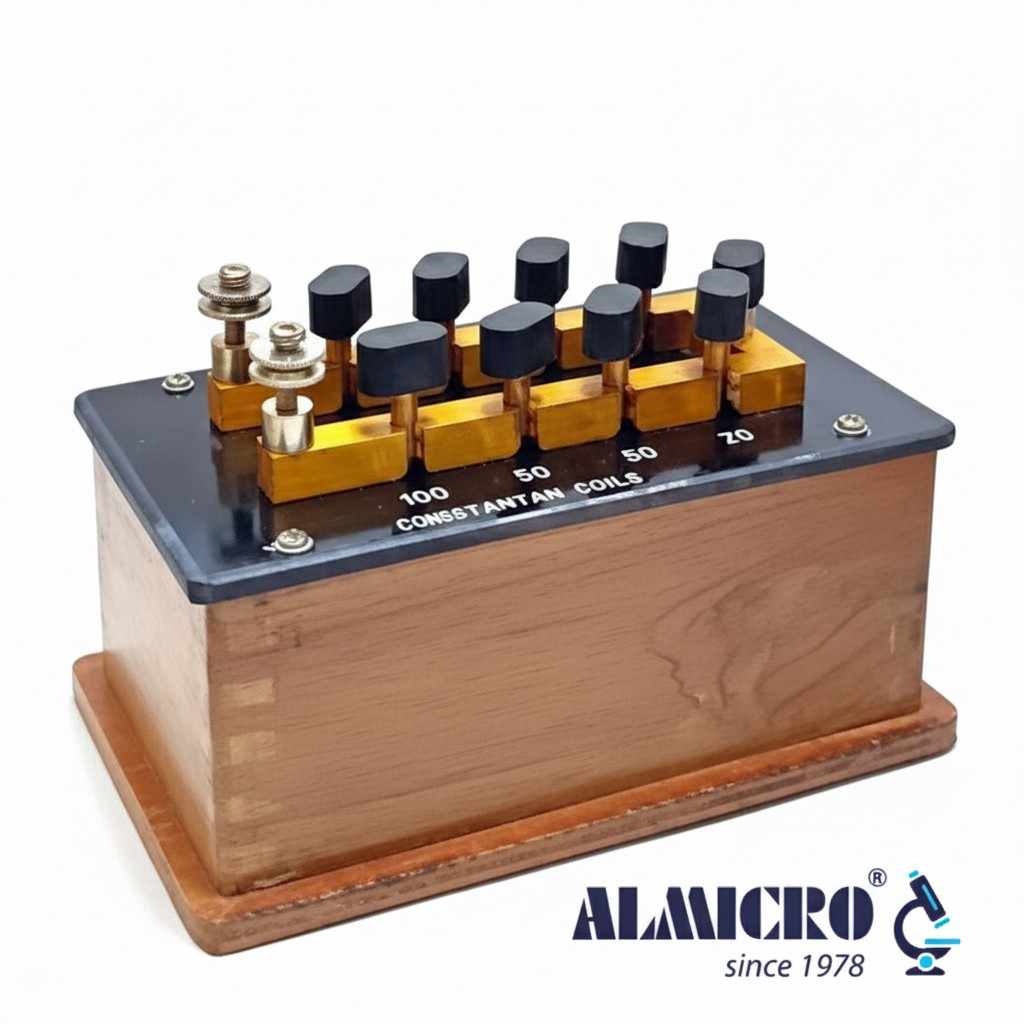
Meaning: A box containing fixed resistances used to control or vary circuit resistance.
Word Description:
A resistance box allows precise control of circuit resistance. Students can insert or remove plugs to change values and observe how current responds to resistance variations. It strengthens concepts related to Ohm’s Law, series/parallel circuits, and power.
Uses: Resistance adjustments.
Key Features: High accuracy, insulated body, standard resistors.
7. Rheostat
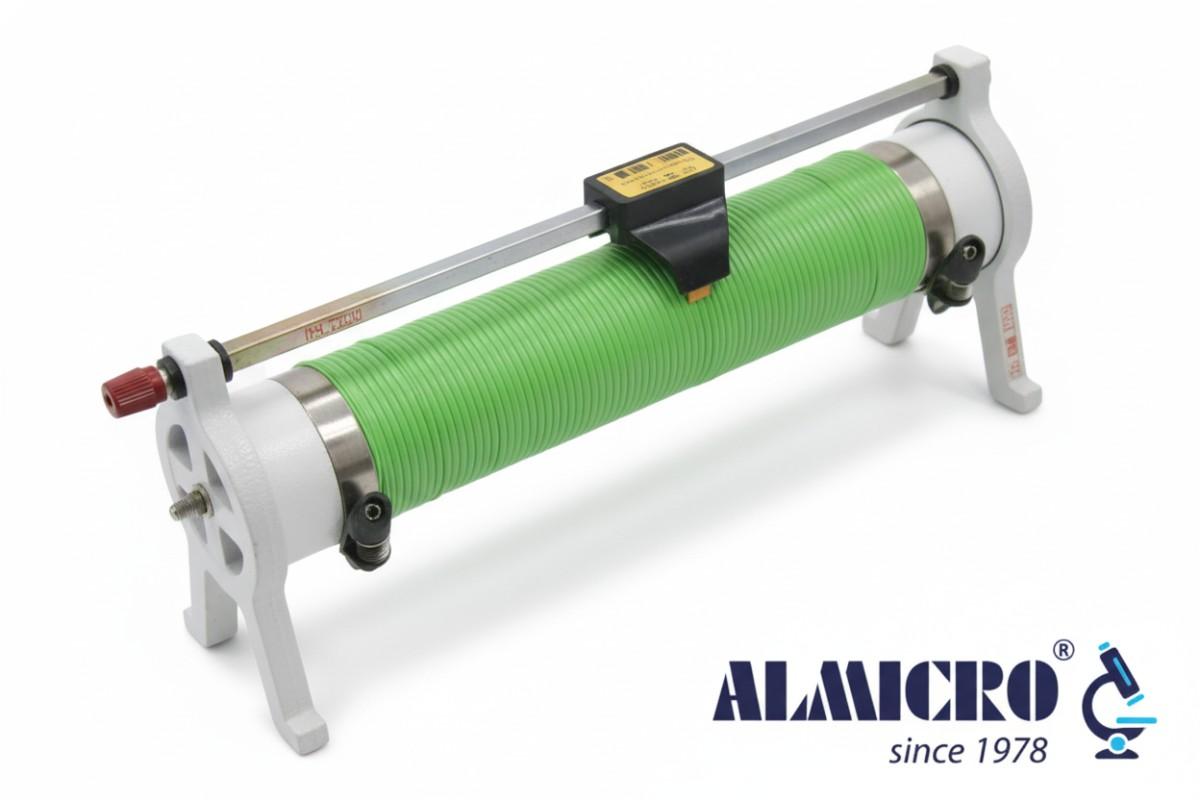
Meaning: A variable resistor mainly used to regulate current.
Word Description:
A rheostat enables students to control the current flowing through a circuit by sliding or rotating contacts. It demonstrates the relationship between current, resistance, and heat generation.
Uses: Current regulation, circuit testing.
Key Features: Smooth movement, high power handling.
8. Galvanometer
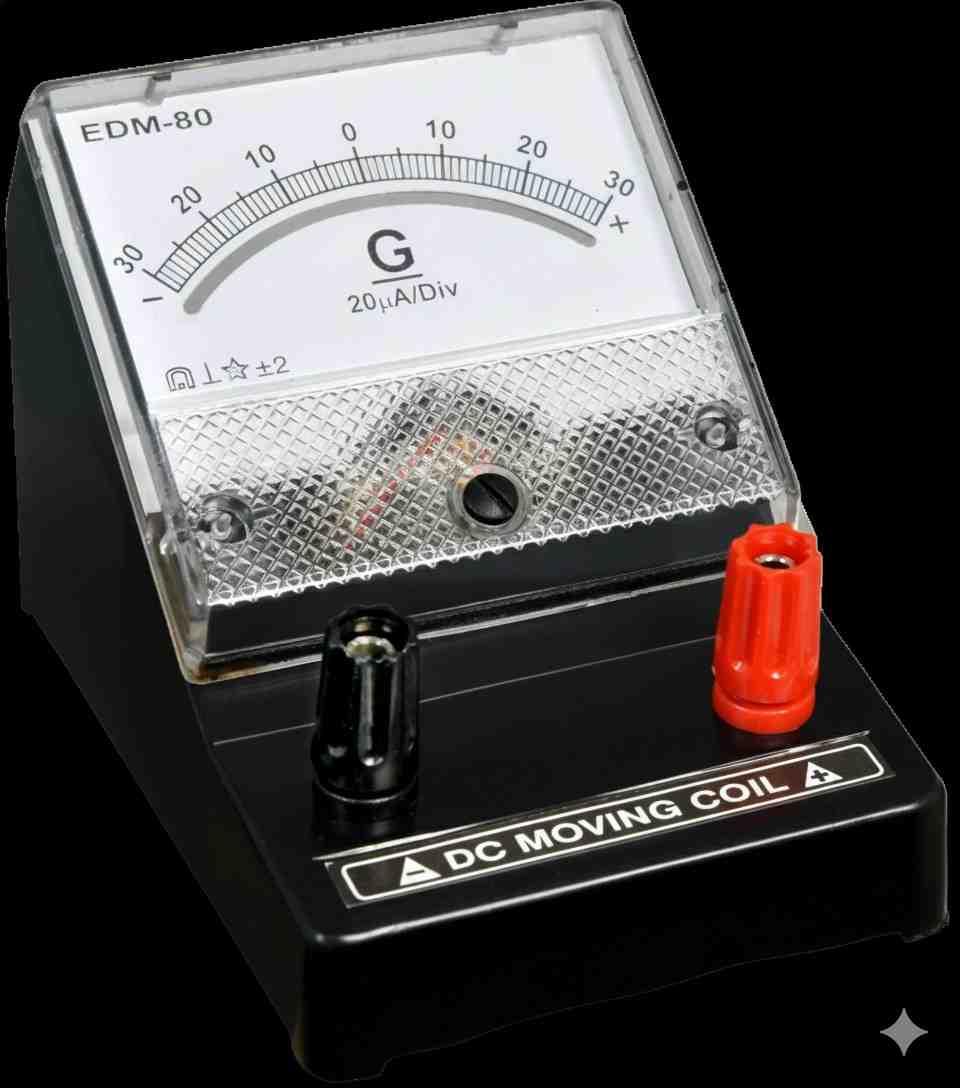
Meaning: A sensitive instrument used to detect small electric currents.
Word Description:
A galvanometer provides extremely sensitive readings of minute currents and deflections. Students use it to convert into an ammeter or voltmeter, helping them understand calibration and the behavior of electromagnetic coils.
Uses: Small current detection.
Key Features: High sensitivity, clear scale.
9. Battery Eliminator / DC Power Supply
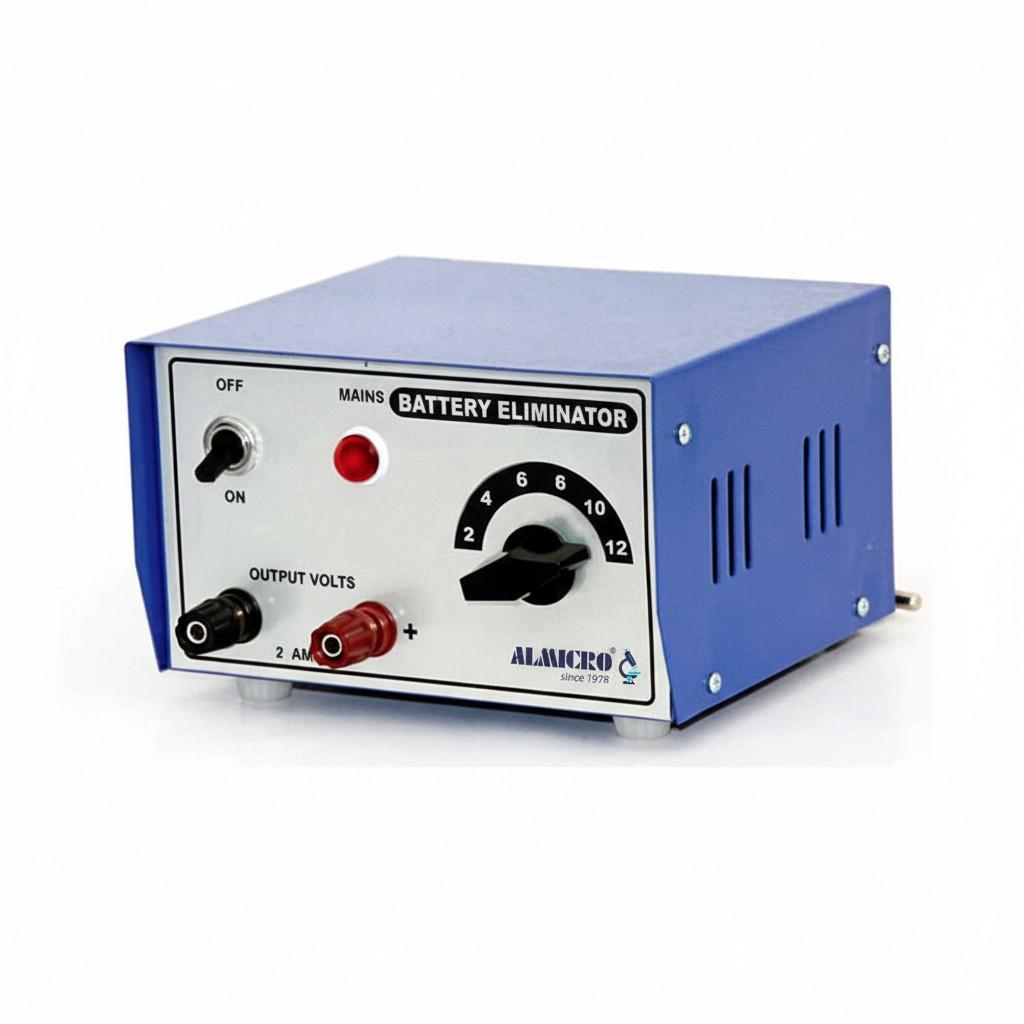
Meaning: A device that provides adjustable DC voltage for lab experiments.
Description:
A battery eliminator replaces traditional batteries by supplying stable DC voltage. It offers multiple voltage output settings, ensuring smooth and uninterrupted electrical experiments.
Uses: Powering circuits.
Key Features: Voltage selector, overload protection.
10. Multimeter
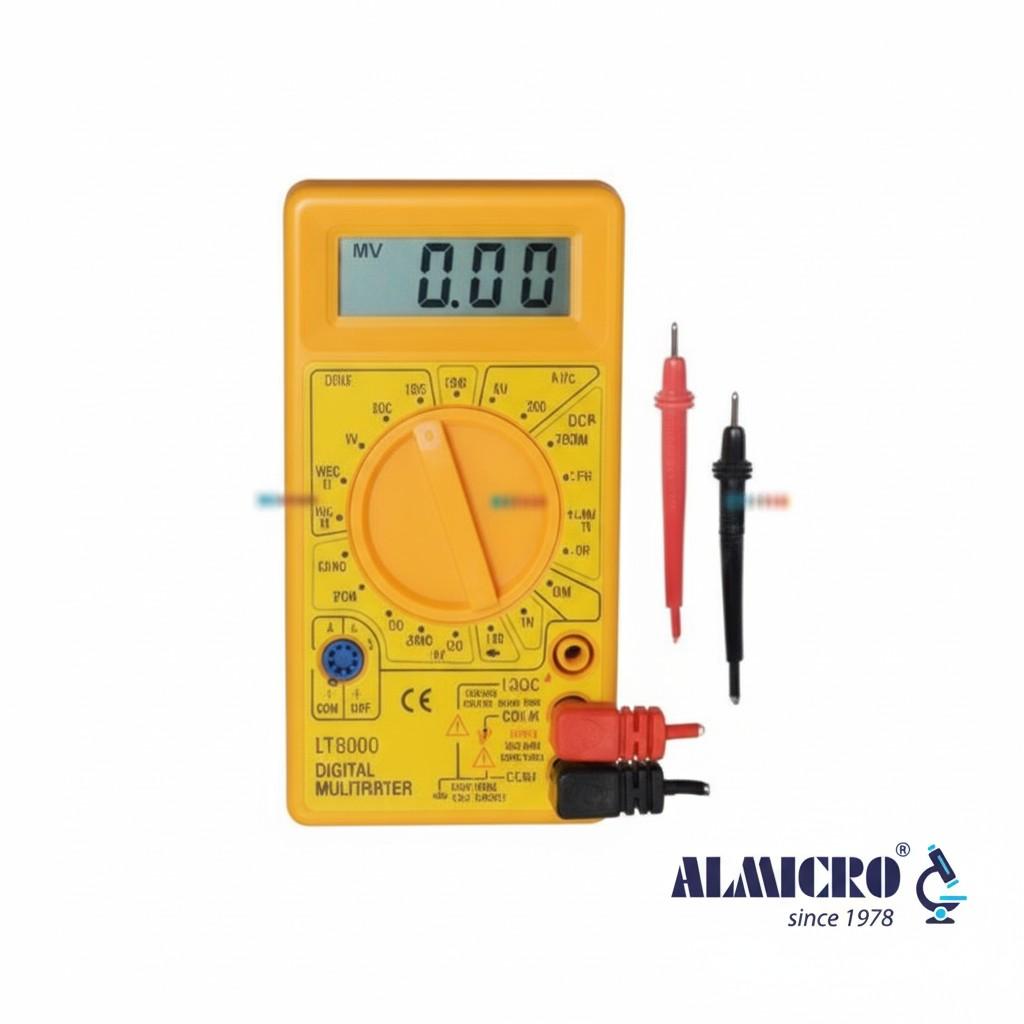
A combined device that measures voltage, current, and resistance.
Description:
A multimeter is a versatile diagnostic tool used in laboratories to analyze circuits. It helps students learn about electrical quantities by directly measuring them in real time.
Uses: Troubleshooting circuits.
Key Features: Digital accuracy, multiple functions.
11. Prism
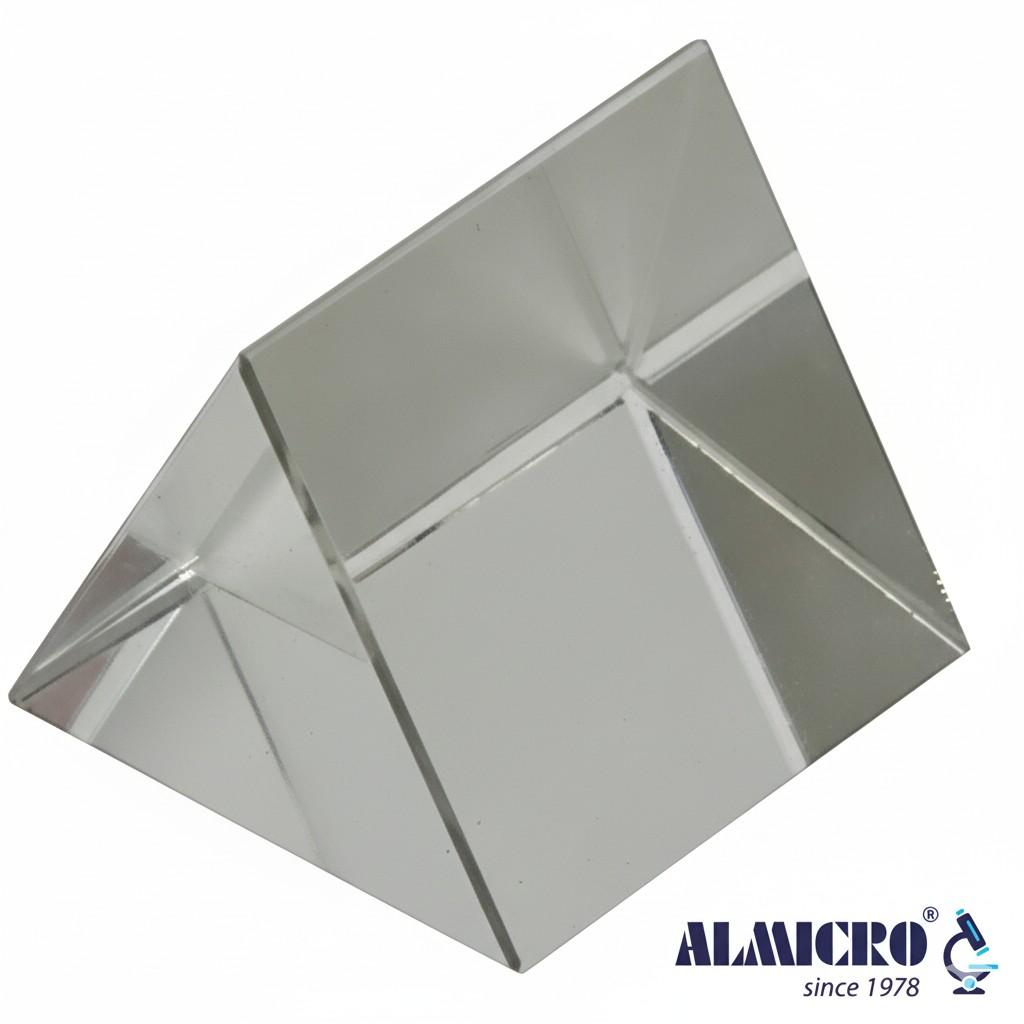
A transparent optical object that refracts and disperses light.A prism is used in optics experiments to demonstrate refraction and dispersion. Students observe the splitting of white light into colors and measure angles of deviation.
Uses: Refraction, dispersion.
Key Features: High optical clarity, perfect edges.
12. Convex & Concave Lenses
Curved glass pieces used to converge or diverge light rays. Lenses help students study focal length, image formation, magnification, and light behavior. They are mounted on optical benches for accurate measurements.
Uses: Focal length experiments.
Key Features: Polished surfaces, fixed focal lengths.
13. Optical Bench
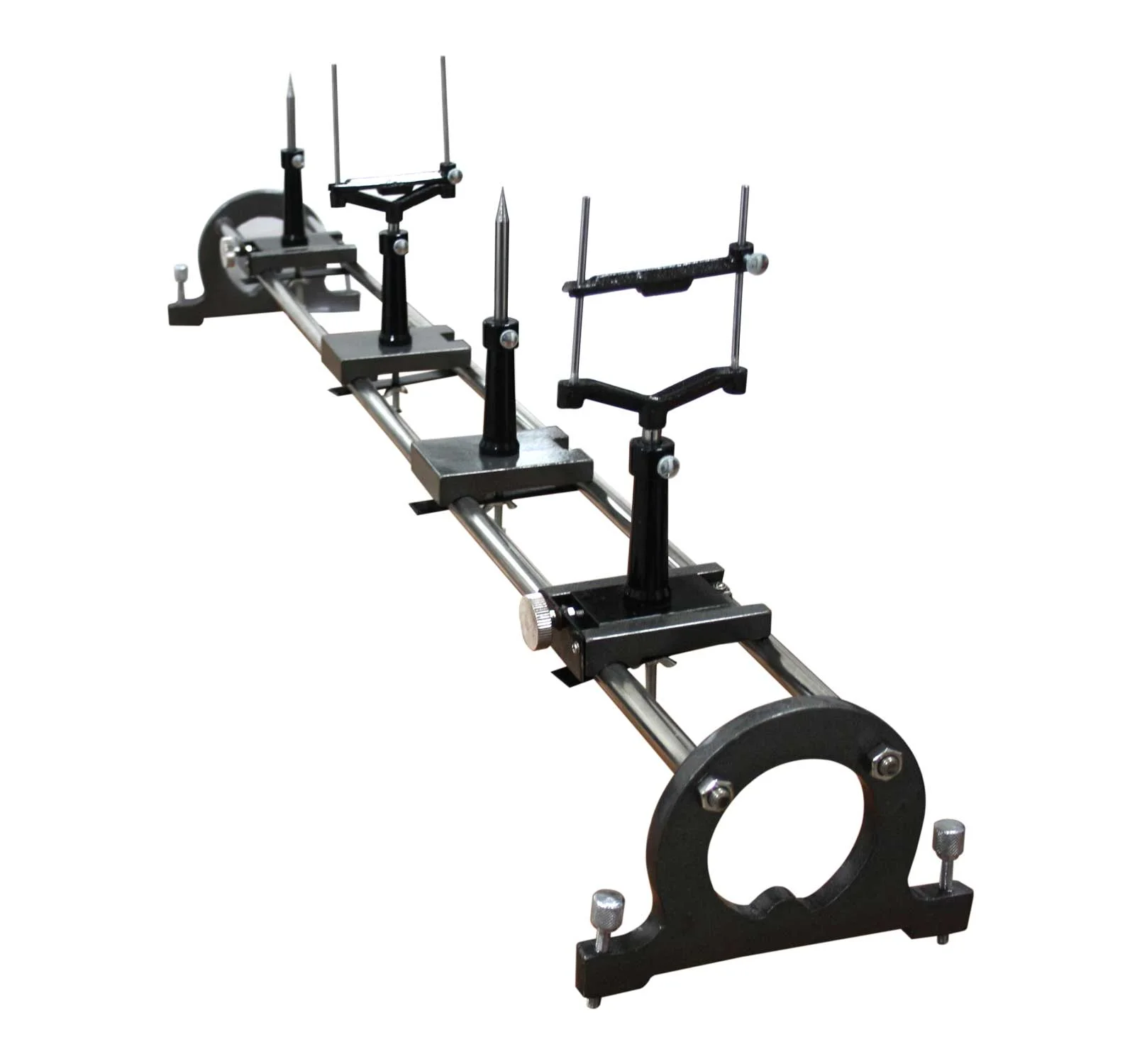
A long, adjustable rail used to hold lenses, mirrors, and light sources. The optical bench is essential for quantitative optical experiments. It helps in measuring focal lengths, verifying lens formulas, and observing image formation accurately.
Uses: Lens/mirror experiments.
Key Features: Adjustable holders, long measuring scale.
14. Ray Box
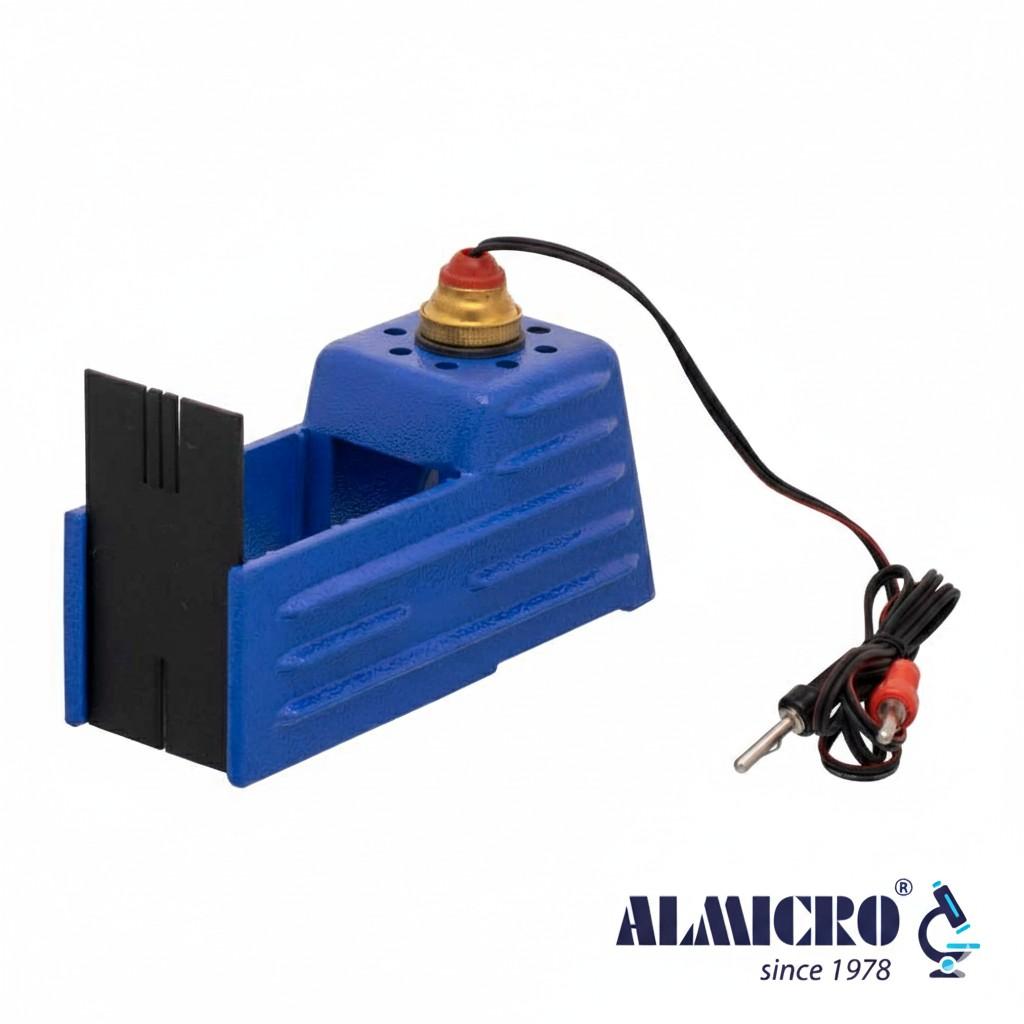
Meaning: A light source used to create narrow beams for optics experiments.
50-Word Description:
A ray box creates sharp light rays that help students study reflection, refraction, and ray diagrams.
Uses: Optics demonstrations.
Key Features: Multiple slits, bright LED light.
15. Bar Magnet
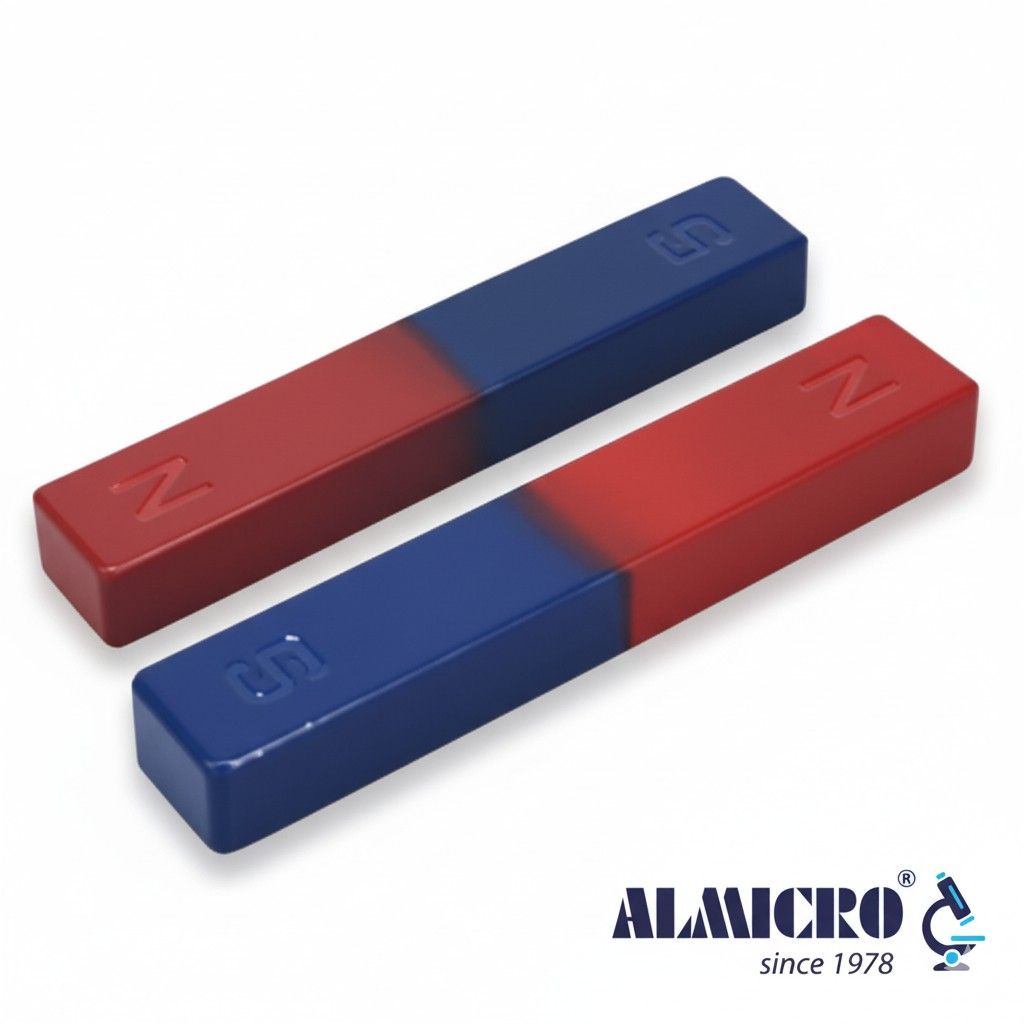
Meaning: A rectangular permanent magnet used in magnetism experiments.
Description:
Bar magnets allow students to visualize magnetic field lines and forces.
Uses: Magnetic field mapping.
Key Features: Durable, strong magnetic field.
16. Magnetic Compass
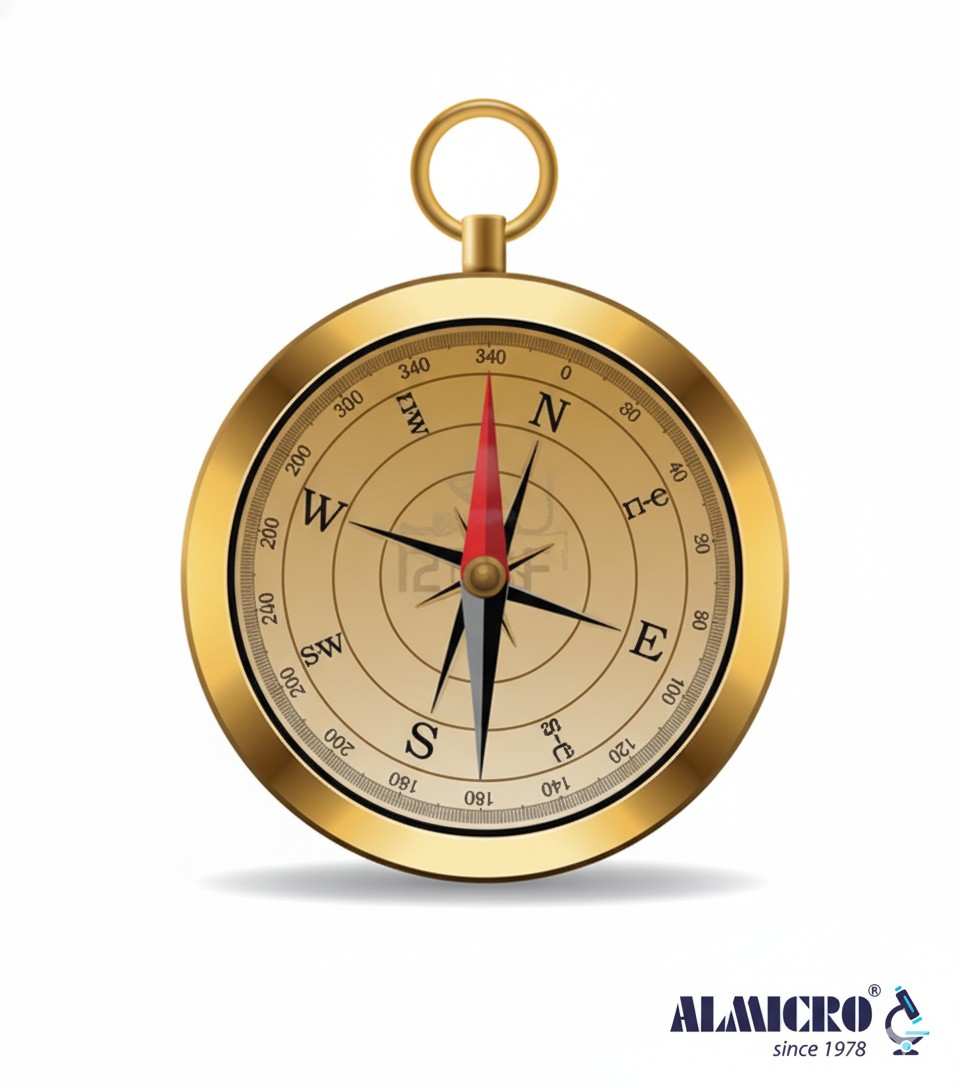
Meaning: A device that shows direction using the Earth’s magnetic field.
Description:
The magnetic compass is used in physics labs to map magnetic fields around magnets or current-carrying wires.
Uses: Magnetic field direction.
Key Features: Smooth needle, accurate markings.
17. Sonometer
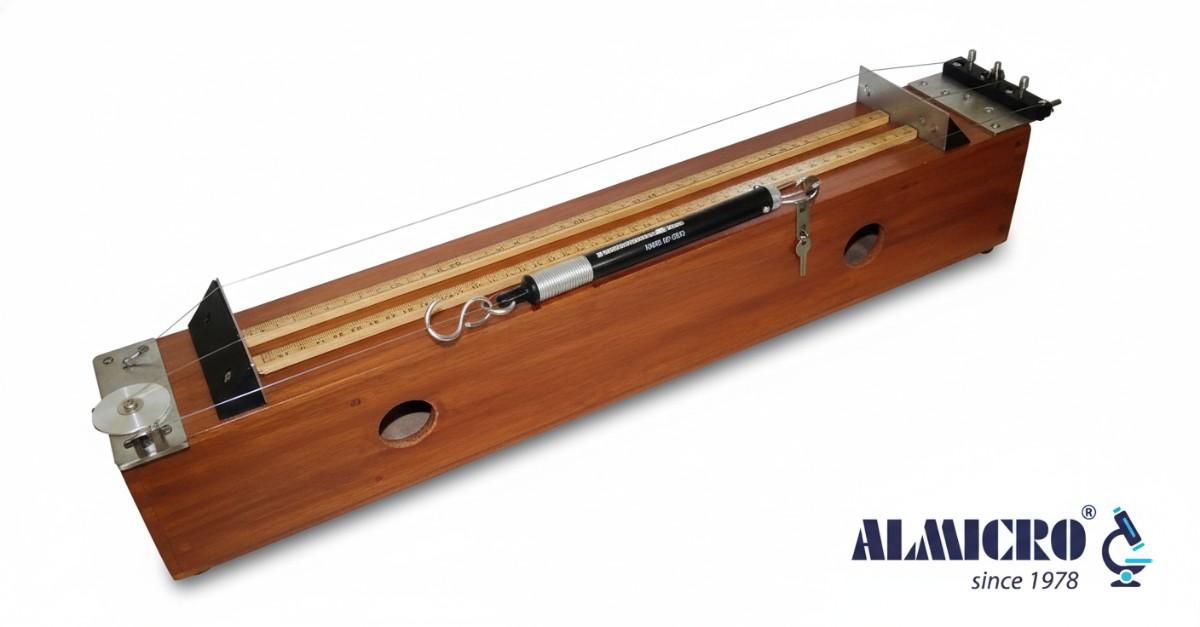
Meaning: A wooden box with wires used to study vibrations and sound.
Description:
A sonometer demonstrates the relationship between tension, length, and frequency of a vibrating string.
Uses: Frequency and resonance study.
Key Features: Adjustable weights, metal wires.
18. Tuning Forks
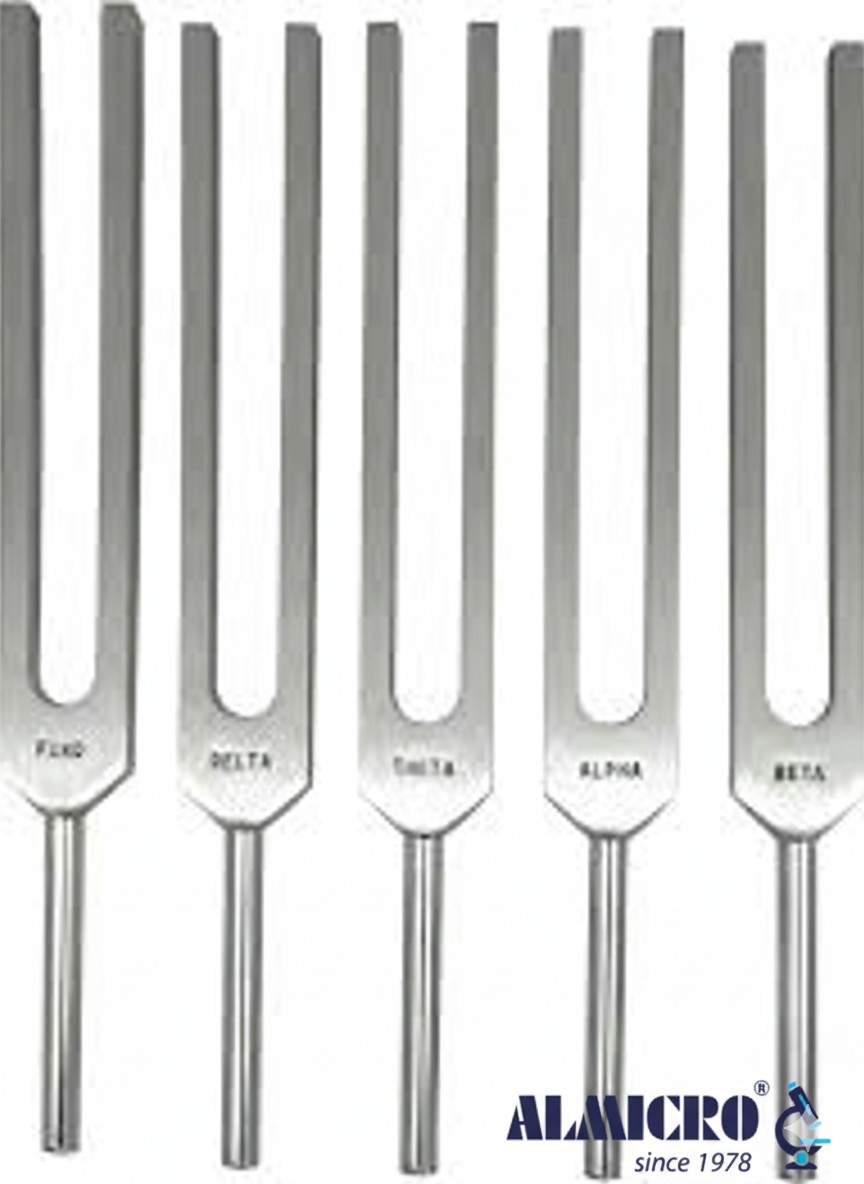
Meaning: U-shaped metal bars that produce fixed frequencies.
Description:
Tuning forks vibrate at standard frequencies, helping students study sound waves, resonance, and beats.
Uses: Acoustic experiments.
Key Features: Engraved frequency, pure tone.
19. Thermometer
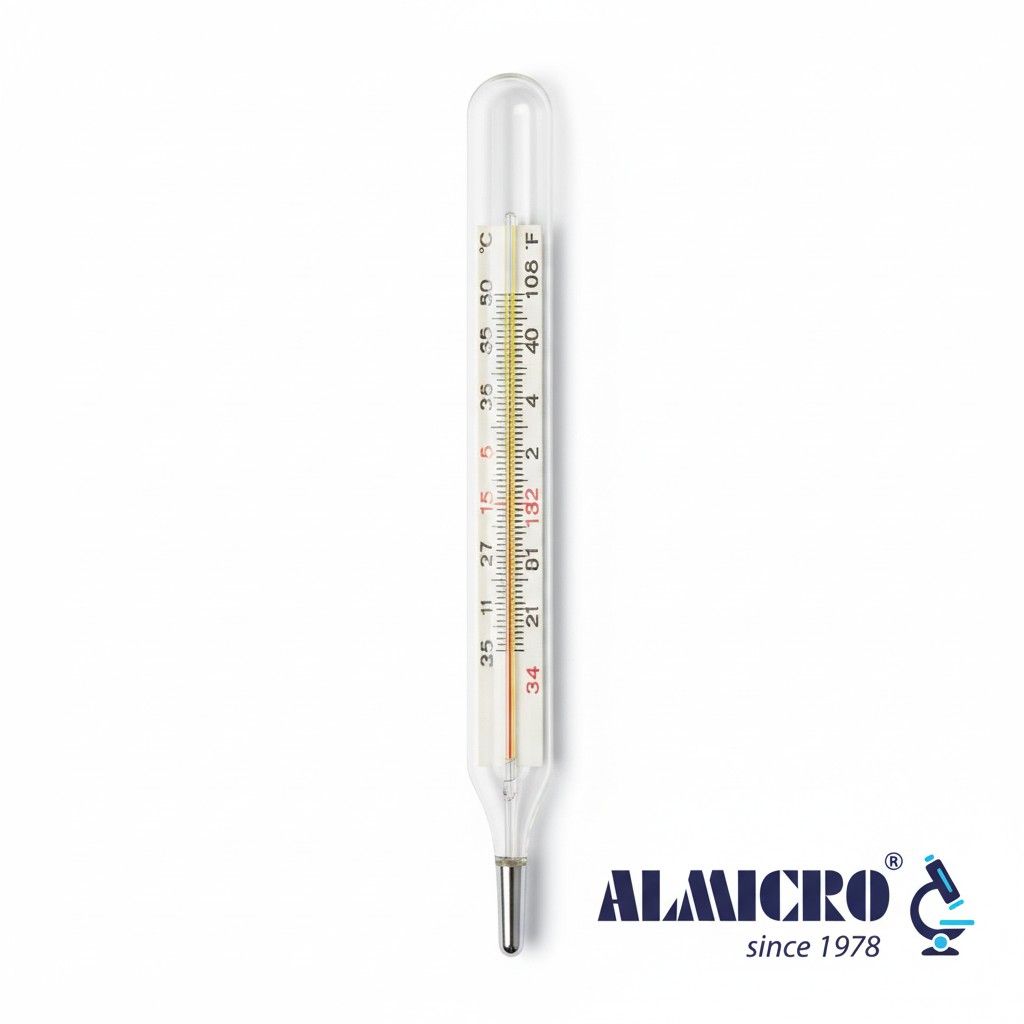
Meaning: A device used to measure temperature.
Description:
Thermometers help students understand thermal expansion, heat transfer, and temperature changes in experiments.
Uses: Heat experiments.
Key Features: Clear scale, quick response.
20. Electroscope
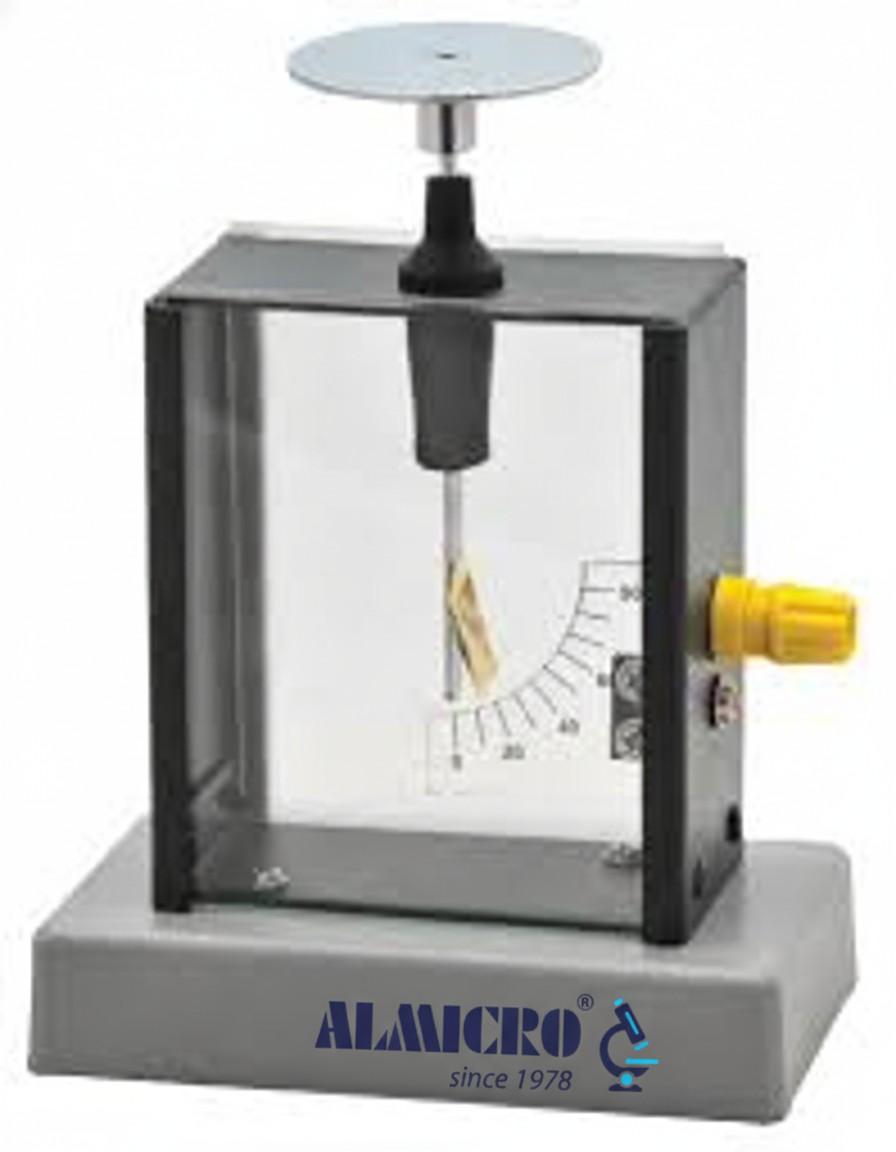
Meaning: A device used to detect electric charges.
Description:
An electroscope helps students visualize the presence of electric charge using leaf divergence.
Uses: Charge detection.
Key Features: Metal leaves, insulated structure.
Physics Lab Equipment for Schools
A school physics lab must be practical, safe, and easy for students to use. The equipment list depends on grade level:
Essential Equipment for Class 6–10
-
Basic measuring tools
-
Pendulum setups
-
Magnets
-
Lenses & mirrors
-
Ray box
-
Electric circuit components
-
Springs
-
Mass & weight sets
-
Thermometers
-
Stopwatches
-
Basic voltmeters/ammeters
Why important: This level focuses on conceptual clarity and simple experiments.
Essential Equipment for Class 11–12 (Advanced)
-
Optical bench
-
Advanced electricity kits
-
Logic gates kit
-
Sonometer
-
Ballistic galvanometer
-
Diffraction grating
-
Travelling microscope
-
Steam engine model
-
Electromagnet and solenoid models
-
Digital multimeter
-
Resistance box & rheostat
-
PN junction diode kits
Why important: Higher classes need precision instruments to support board-level experiments.
Physics Lab Equipment Shop Near Me – How to Find the Best Supplier
Many institutions search online for “Physics Lab Equipment Shop Near Me” to find a trusted supplier. The goal is to choose a shop or manufacturer that provides genuine, high-quality products at reasonable prices.
Here are some practical tips to find the best local or online physics lab equipment shop:
1. Search on Google with Location Keywords
Use phrases like:
-
“Physics lab equipment shop near me”
-
“Physics equipment dealers in your city”
-
“School lab equipment supplier near me”
Google Maps will show shops, ratings, and directions.
2. Check Shop Reviews and Ratings
A good supplier must have:
-
Positive customer reviews
-
4+ star rating
-
Consistent service
-
On-time delivery record
Reviews help you judge product quality even before visiting.
3. Prefer Shops or Manufacturers Offering Picture Catalogues
Pictures help identify the correct model and avoid confusion. A good supplier provides:
-
HD product images
-
Specifications
-
Dimensions
-
Usage details
-
Material quality
This is especially helpful when purchasing in bulk.
4. Ask for Demo Videos or Pictures
If buying digital or advanced physics equipment, video demos are extremely helpful.
It reduces technical errors and ensures the right product is purchased.
5. Compare Prices Before Buying
Physics lab equipment prices vary by:
-
Material quality
-
Measurement accuracy
-
Brand
-
Quantity
-
Warranty
Request quotations from 2–3 shops before finalizing.
6. Check if the Shop Supports School Lab Setup
Good suppliers also help with:
-
Full lab planning
-
Equipment installation
-
Lab furniture
-
Experiment kits
-
Safety equipment
-
BOQ creation
This saves schools a lot of time.
7. Choose a Shop That Provides Warranty & Support
A reliable “Physics Lab Equipment Shop Near Me” should offer:
-
After-sales support
-
Component replacement
-
One-year warranty
-
Calibration assistance
This ensures long-term value for schools and institutions.