
 Student Microscope
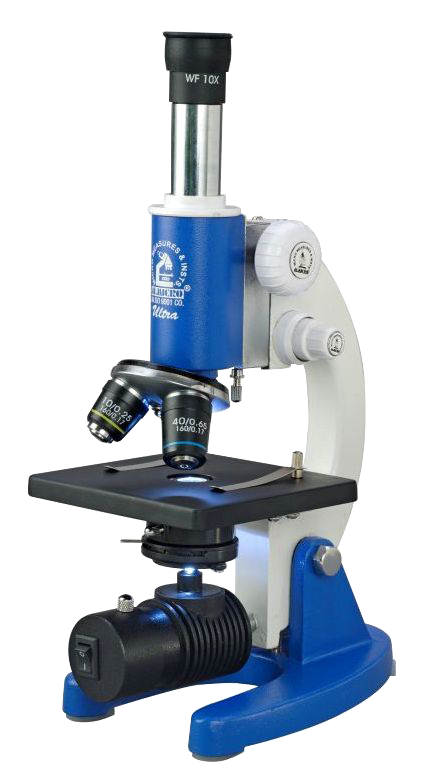 Student Microscope
A student microscope sits at the center of science education. You use a student microscope to learn structure, scale, and detail. You use it to build habits of focus and method. ALMICRO designs and builds student microscope models for schools and colleges. The company works only in this field. The product line reflects classroom needs, long hours of use, and simple handling.
ALMICRO began work in 1978. The focus stayed narrow from the start. The company builds Student Microscope systems for learning labs. No research units. No medical units. This focus shapes every design choice. You see this in body construction, optics, and controls.
A student microscope must serve beginners first. You need clear viewing. You need stable parts. You need controls that respond in a predictable way. ALMICRO builds each Student Microscope with these priorities.
Why a Student Microscope matters
You learn biology and basic chemistry through visual study. Cells, tissues, fibers, crystals. Textbooks support learning. A Student Microscope turns theory into direct study. You train your eye. You learn scale. You learn structure.
A Student Microscope supports these tasks.
• Basic cell study
• Plant and animal tissue study
• Simple microbiology exercises
• Fiber and material study
• Introductory laboratory work
ALMICRO designs Student Microscope models to support these uses. Each model supports school and college syllabi.
Core design principles of ALMICRO Student Microscope systems
ALMICRO follows fixed principles across models.
Heavy body construction
The frame uses pressure die cast metal. This adds mass. Mass reduces vibration. Reduced vibration supports steady viewing.
Monocular head design
Each Student Microscope uses a monocular tube. This suits classroom teaching. Students learn eye placement and focus control.
Inclination support
The body inclines up to 90 degrees. You adjust posture during long sessions. This reduces strain.
Simple mechanical controls
Coarse and fine focus controls use rack and pinion systems. Movement stays smooth. Students learn focus control quickly.
Standard optical layout
ALMICRO uses standard eyepiece and objective combinations. Replacement and upgrades stay simple.
ALMICRO Student Microscope model overview
Table of Student Microscope ALMICRO Collections
Know More Student Microscope
1. Student Microscope BM-3
BM-3 suits basic school labs.
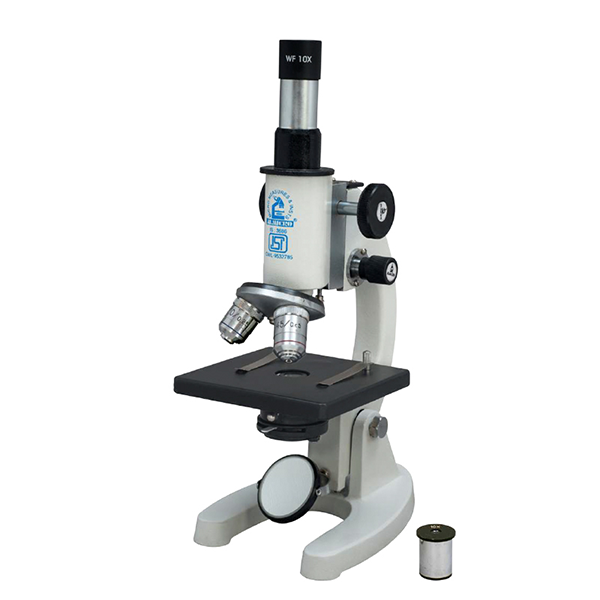
Main features
• Monocular body
• Inclination up to 90 degrees
• Wide field 10x eyepiece
• Achromatic 10x and 40x objectives
• Triple nosepiece
• Stainless steel stage
• Abbe condenser with iris diaphragm
• Arc reflector light system
You use BM-3 for early biology classes. Cell structure lessons fit this model. Teachers use BM-3 for demonstrations and routine student work.
2. Student Microscope BM-3A
BM-3A builds on BM-3 with added stability and refinement.
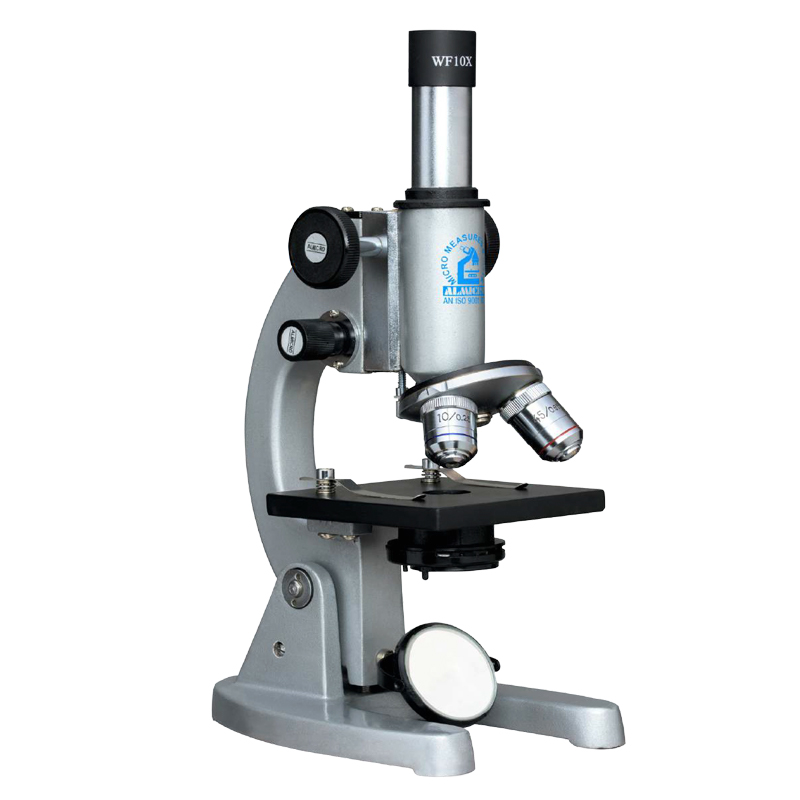
Main features
• Pressure die cast heavy body
• Improved focusing mechanism
• Wide field eyepiece options
• Achromatic 10x and 40x or 45x objectives
• Triple nosepiece with defined click stops
• Stainless steel stage with secure clips
• Abbe condenser with swing out filter holder
• Arc reflector system for natural light
BM-3A suits higher secondary classes. You gain smoother focusing control. This supports longer sessions and repeated adjustments.
3. Student Microscope BM-4
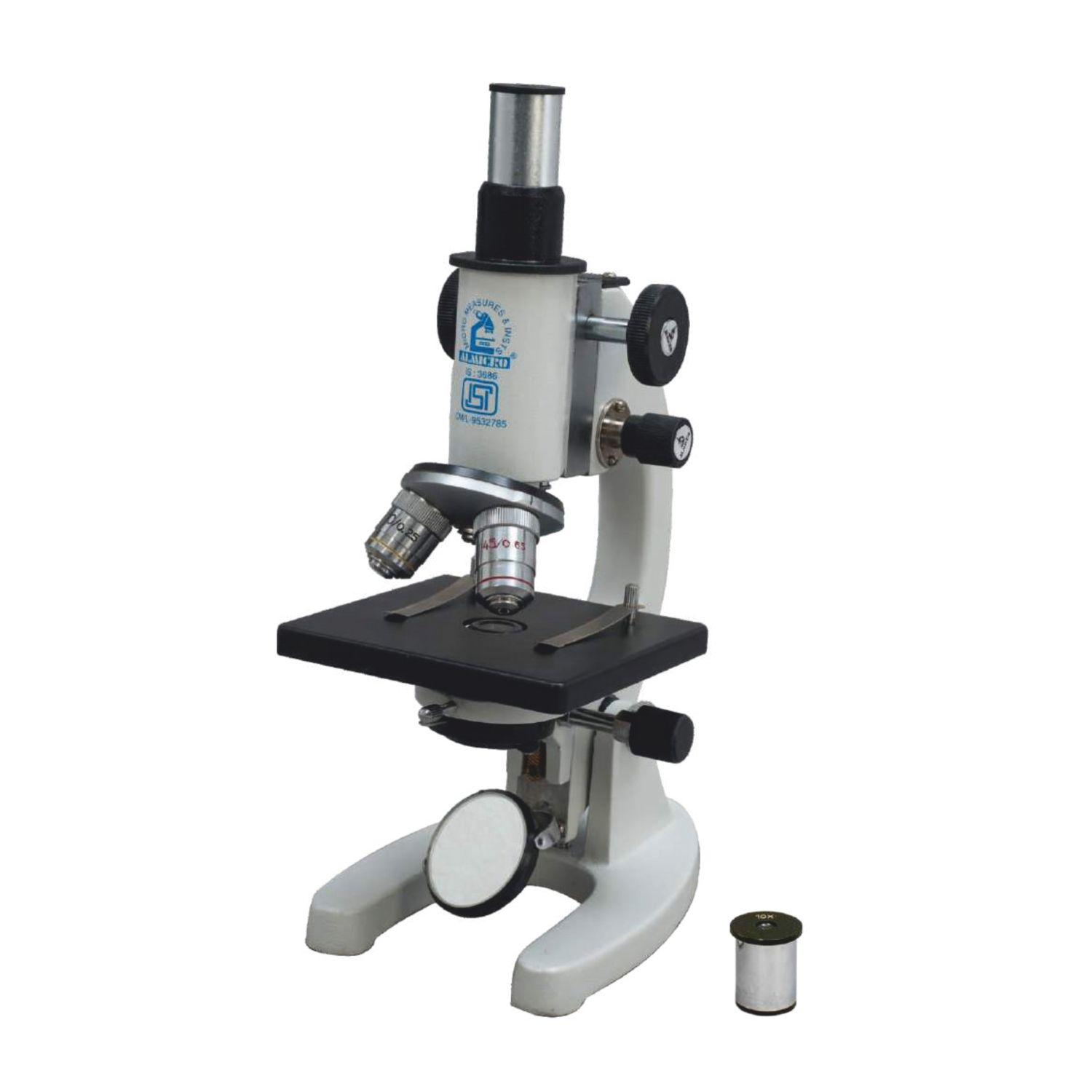
BM-4 targets advanced school and early college labs.
Main features
• Reinforced body frame
• Monocular tube with stable alignment
• Wide field eyepiece system
• Achromatic objectives optimized for teaching labs
• High quality stage system
• Refined condenser assembly
• Arc reflector light handling
BM-4 supports repeated daily use. College instructors select BM-4 for introductory biology and zoology labs.
How ALMICRO supports classroom learning
ALMICRO designs Student Microscope systems for shared use. Multiple students use the same unit each day. Controls must resist misuse. Parts must stay aligned.
Design choices reflect this reality.
• Metal frames resist wear
• Standard optics simplify maintenance
• Mechanical systems stay accessible
• No complex electronics
Teachers benefit from this approach. Lab setup stays simple. Storage stays organized.
Student benefits from ALMICRO Student Microscope use
You gain specific skills through daily microscope work.
Visual discipline
You learn how to adjust focus step by step. You learn how to center a specimen.
Mechanical awareness
You learn how rotating nosepieces align optics. You learn stage movement limits.
Scientific method training
You follow steps. You prepare slides. You record findings.
These skills support future lab work.
Why schools choose ALMICRO Student Microscope systems
Procurement teams look for consistency. ALMICRO offers this.
• Long production history
• Stable model designs
• Consistent spare part compatibility
• Focus on education sector only
Schools avoid frequent retraining. Teachers know the controls year after year.
Maintenance considerations
A Student Microscope requires routine care.
• Clean lenses after use
• Cover unit during storage
• Store in dry conditions
• Avoid forced knob movement
ALMICRO designs controls to tolerate student handling. Still, basic care extends service life.
Integration into curriculum
A Student Microscope fits across subjects.
• Biology
• Zoology
• Botany
• Basic material science
Teachers plan lessons around direct specimen study. Students learn faster through visual confirmation.
ALMICRO focus on Student Microscope manufacturing
ALMICRO works only in Student Microscope production. This focus guides sourcing, assembly, and testing. Each unit passes inspection before packing. Optical alignment receives special attention. Mechanical movement receives manual testing.
This specialization supports consistent classroom results.
Common optical system features
Every Student Microscope from ALMICRO follows a similar optical layout.
Eyepiece system
• Wide field 10x eyepiece
• Optional 15x eyepiece set
• Hygienic eyepiece design
These eyepieces support clear viewing across the field. Students learn to center specimens without edge distortion.
Objective lenses
• Achromatic 10x objective
• Achromatic 40x or 45x objective depending on model
Achromatic optics correct basic color distortion. This supports clear learning visuals.
Nosepiece
- Triple revolving nosepiece
- Click stop positions
Click stops guide students. You feel the objective lock into place. This prevents partial alignment.
Stage system
- Stainless steel stage
- Stage clips for slide holding
Slides stay fixed during viewing. This helps new users.
Condenser system
- Abbe condenser
- Numerical aperture up to 1.25
- Iris diaphragm
- Swing out filter holder
This layout supports controlled light management. Students learn contrast adjustment through diaphragm control.
Light handling system
ALMICRO Student Microscope models use arc reflector systems. This supports natural light study. Schools without electrical access use this feature with ease.
Packaging
Each Student Microscope ships in protective packing. Inner thermocol or styrofoam supports the body. Outer cardboard protects during transport.
Global relevance of Student Microscope education
Science education follows similar patterns worldwide. Cell structure lessons remain consistent. Slide preparation remains consistent. ALMICRO Student Microscope systems align with this global standard.
Final perspective
A Student Microscope shapes early scientific training. ALMICRO builds Student Microscope models with this responsibility in mind. BM-3 supports basic learning. BM-3A supports extended classroom work. BM-4 supports advanced student labs.
You choose a Student Microscope not for complexity. You choose it for clarity, control, and teaching value. ALMICRO builds each Student Microscope to support these needs day after day in real classrooms.